
104 places · 7 areas
Places of the Bangsamoro
Islands and white sand, lakes in the highlands, mosques, falls and the old forts and houses of the sultanates: what is there, how to get there, and what to know before you go.
Beaches 6

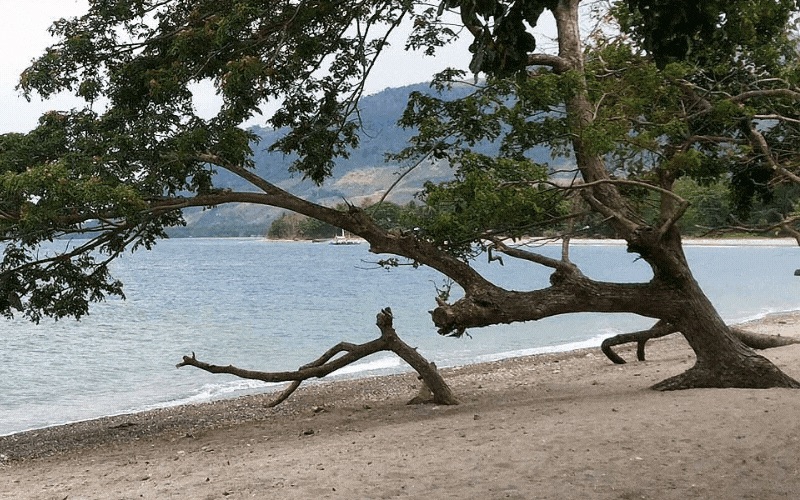


Islands 11
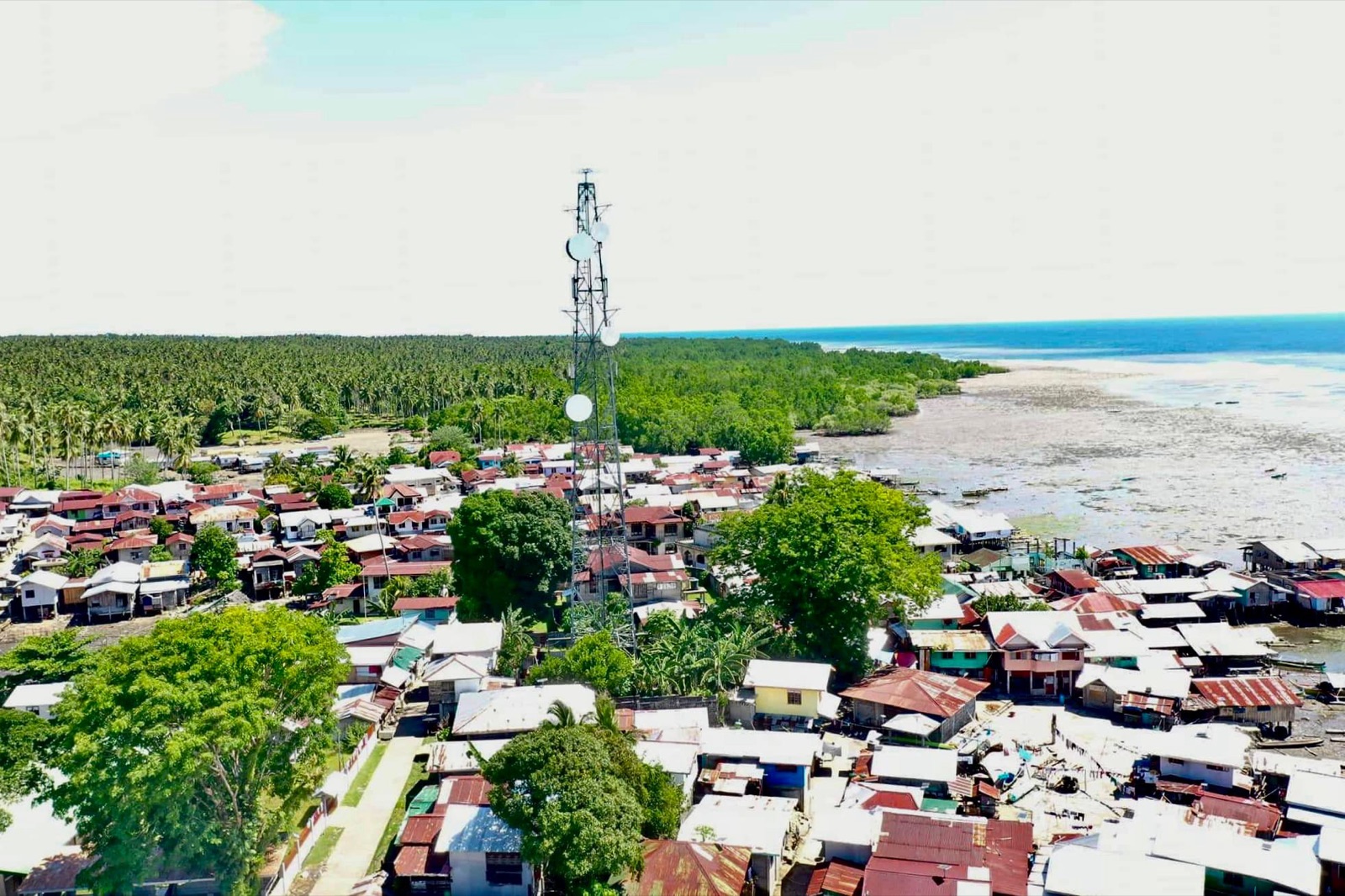 Island · Maguindanao del NorteBongo IslandThe province's one offshore island, at the mouth of Illana Bay, with a white-sand beach at Limbayan.Ministry of Environment, Natural Resources and Energy (BARMM) · Philippine government workPhoto by Ministry of Environment, Natural Resources and Energy (BARMM), Philippine government work. Open the source file.
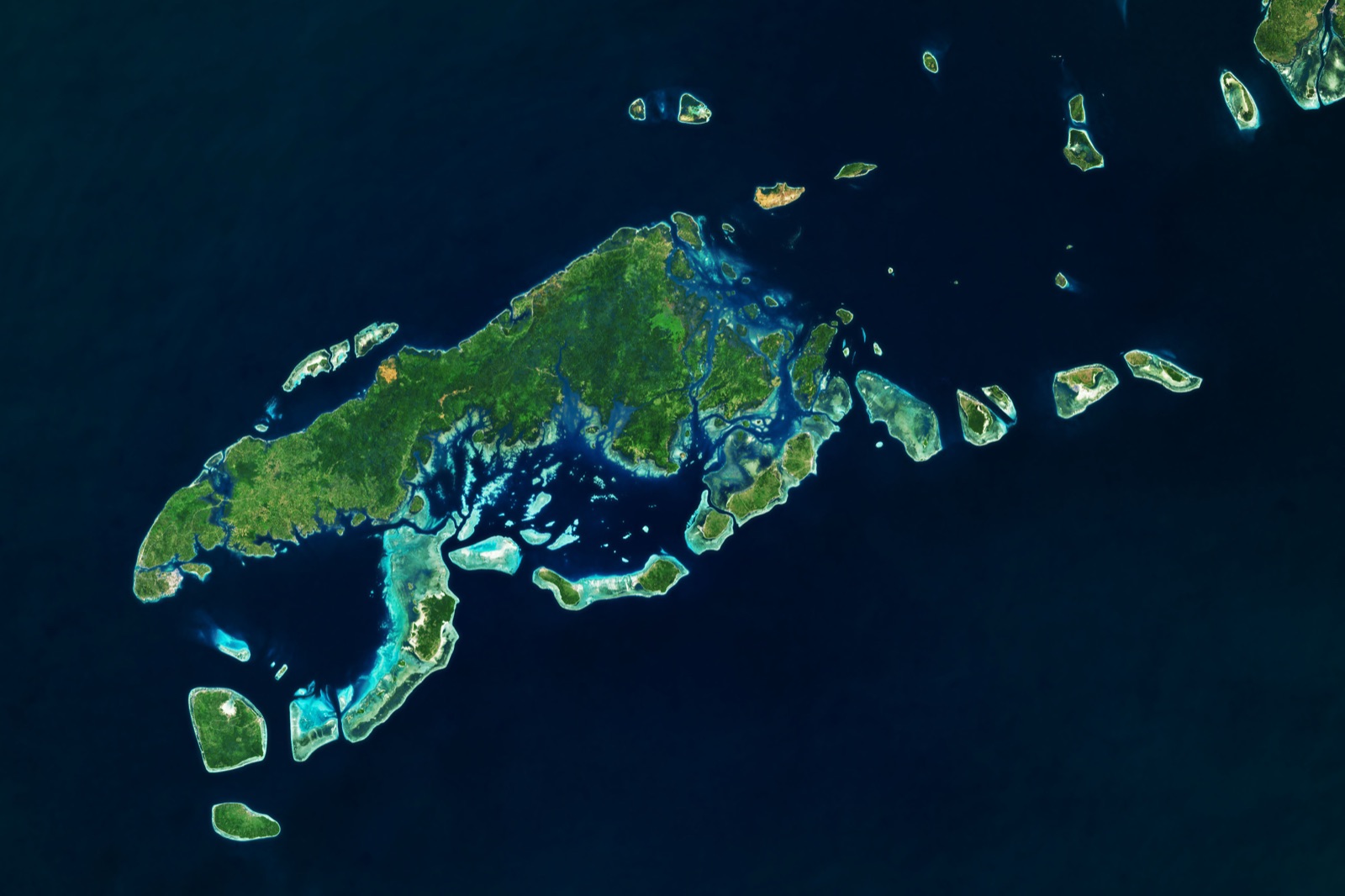 Island · Tawi-TawiTawi-Tawi IslandThe main island of the province: hilly, wooded and home to birds found nowhere else.NASA Earth Observatory image by Joshua Stevens, using Landsat data from the U.S. Geological Survey · Public domainPhoto by NASA Earth Observatory image by Joshua Stevens, using Landsat data from the U.S. Geological Survey, Public domain. Open the source file.


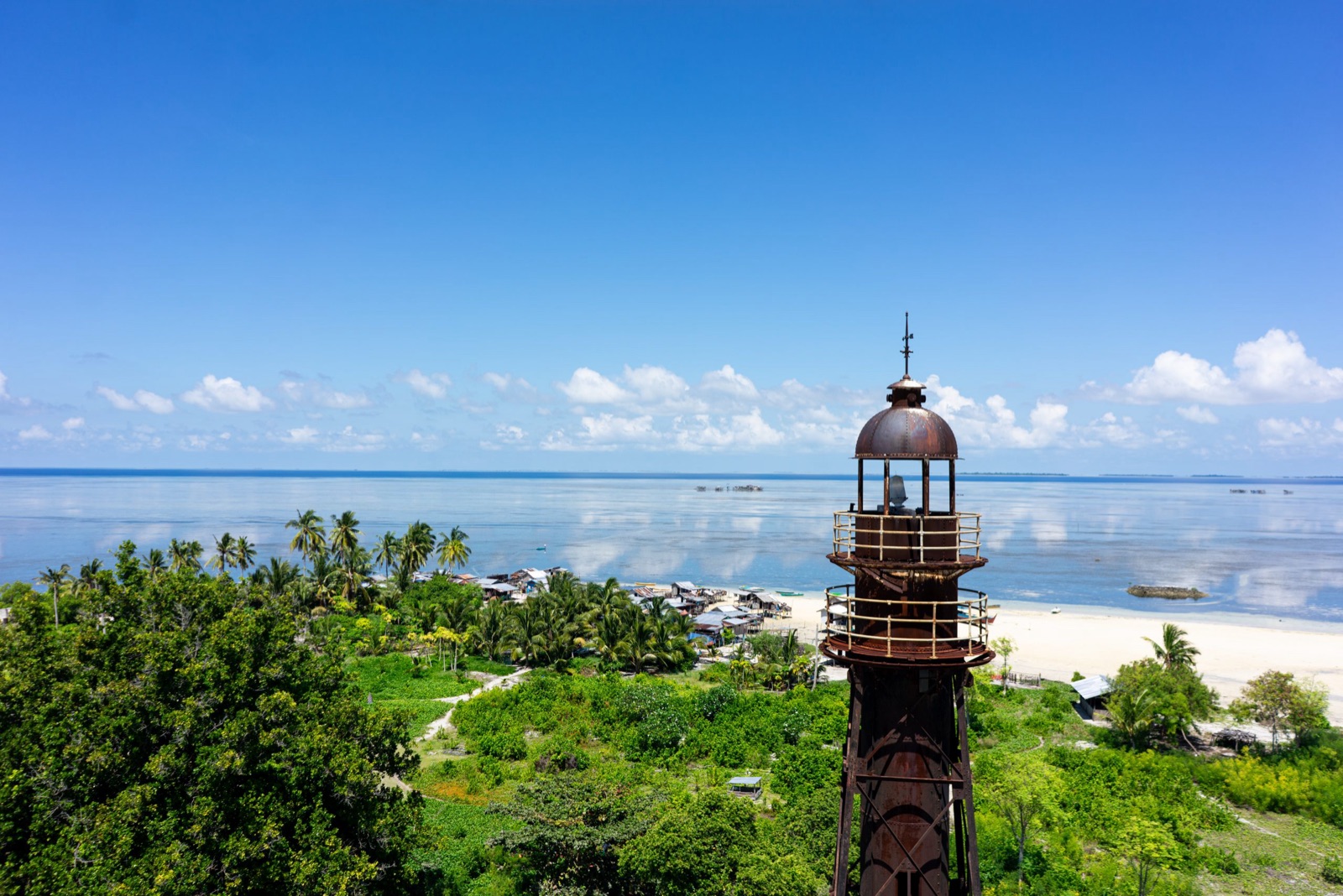

Mosques 10
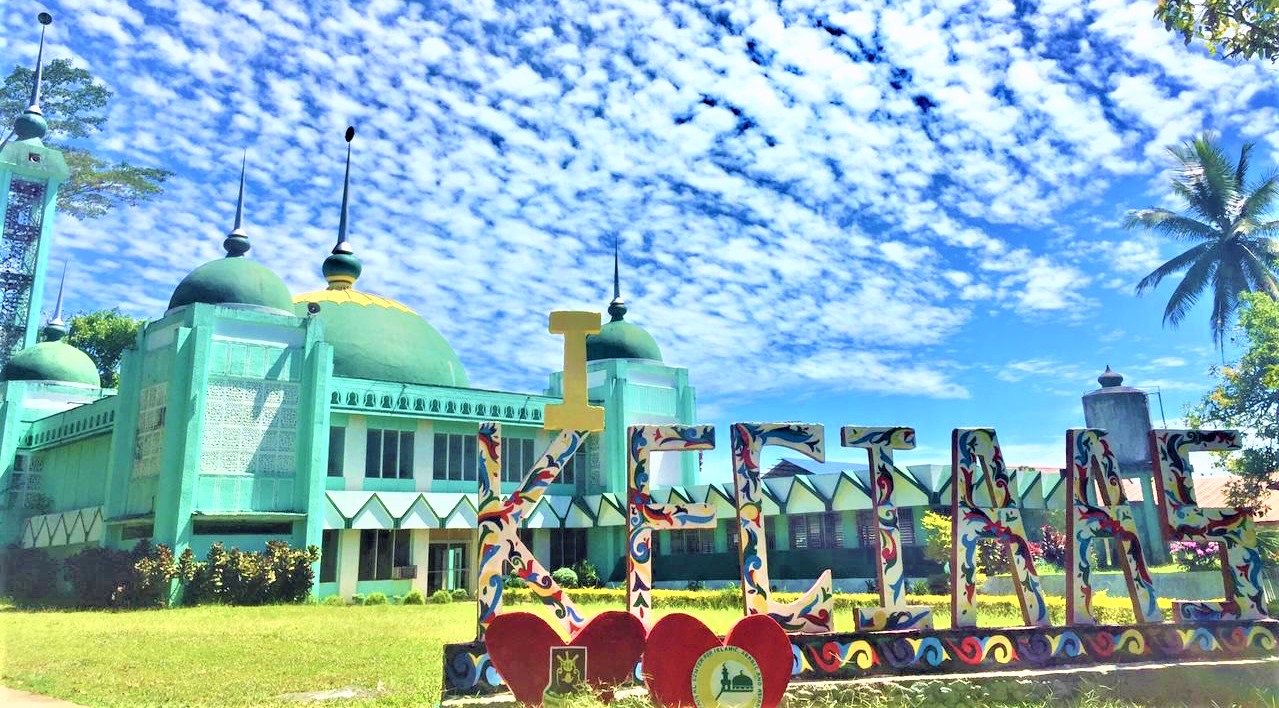 Mosque · Lanao del SurKing Faisal MosqueThe mosque on the Mindanao State University campus, a gift of the King of Saudi Arabia, in green with painted petals on its dome.Mindanao State University · Philippine government workPhoto by Mindanao State University, Philippine government work. Open the source file.
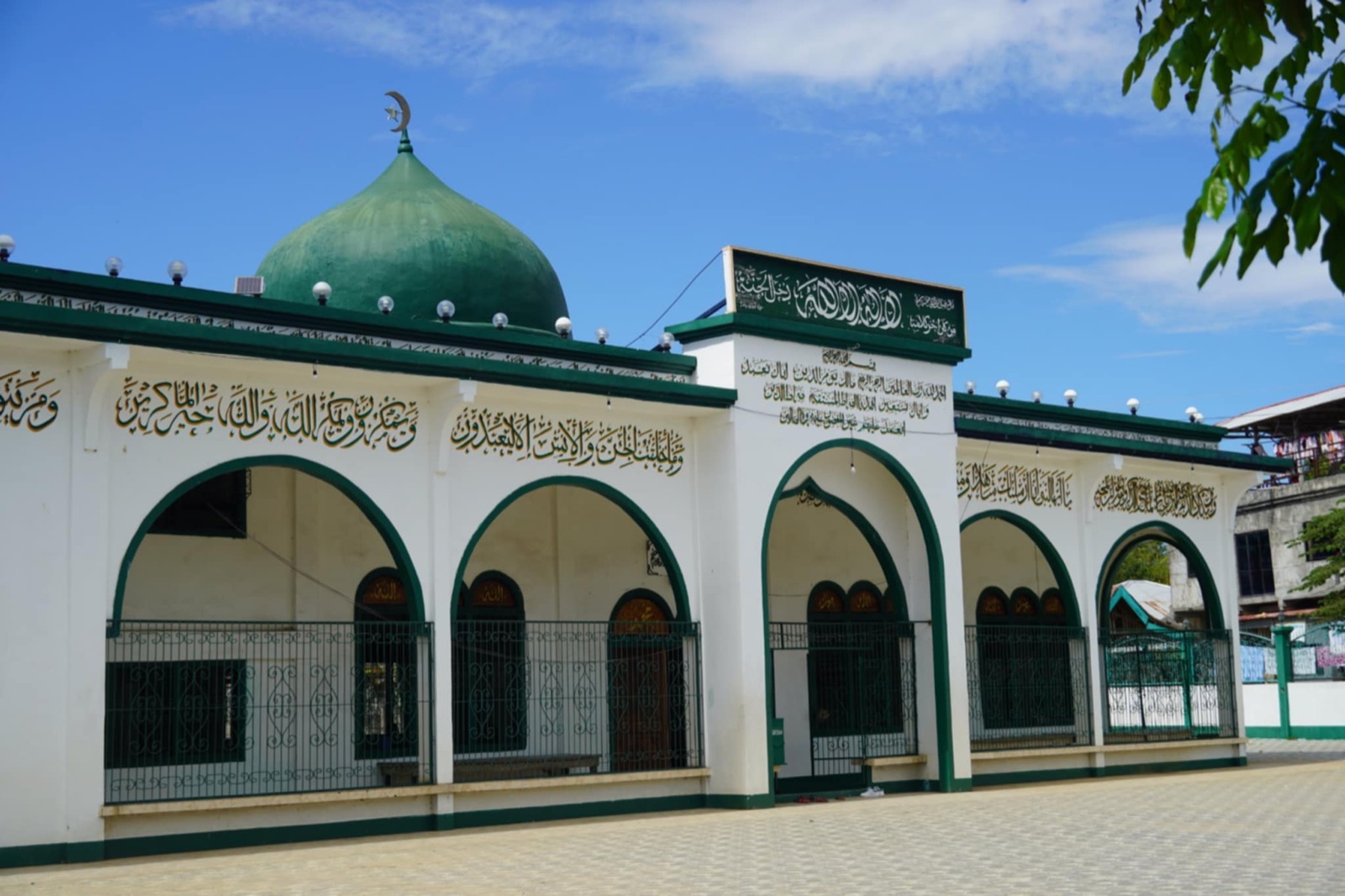 Mosque · Maguindanao del SurMasjidil Haron RashidA highway mosque in Guindulungan, opened in 1995, that sheltered MILF fighters during the war and is now painted inside with Qur'anic calligraphy.Comenei Ali / Bangsamoro Information Office · Philippine government workPhoto by Comenei Ali / Bangsamoro Information Office, Philippine government work. Open the source file.
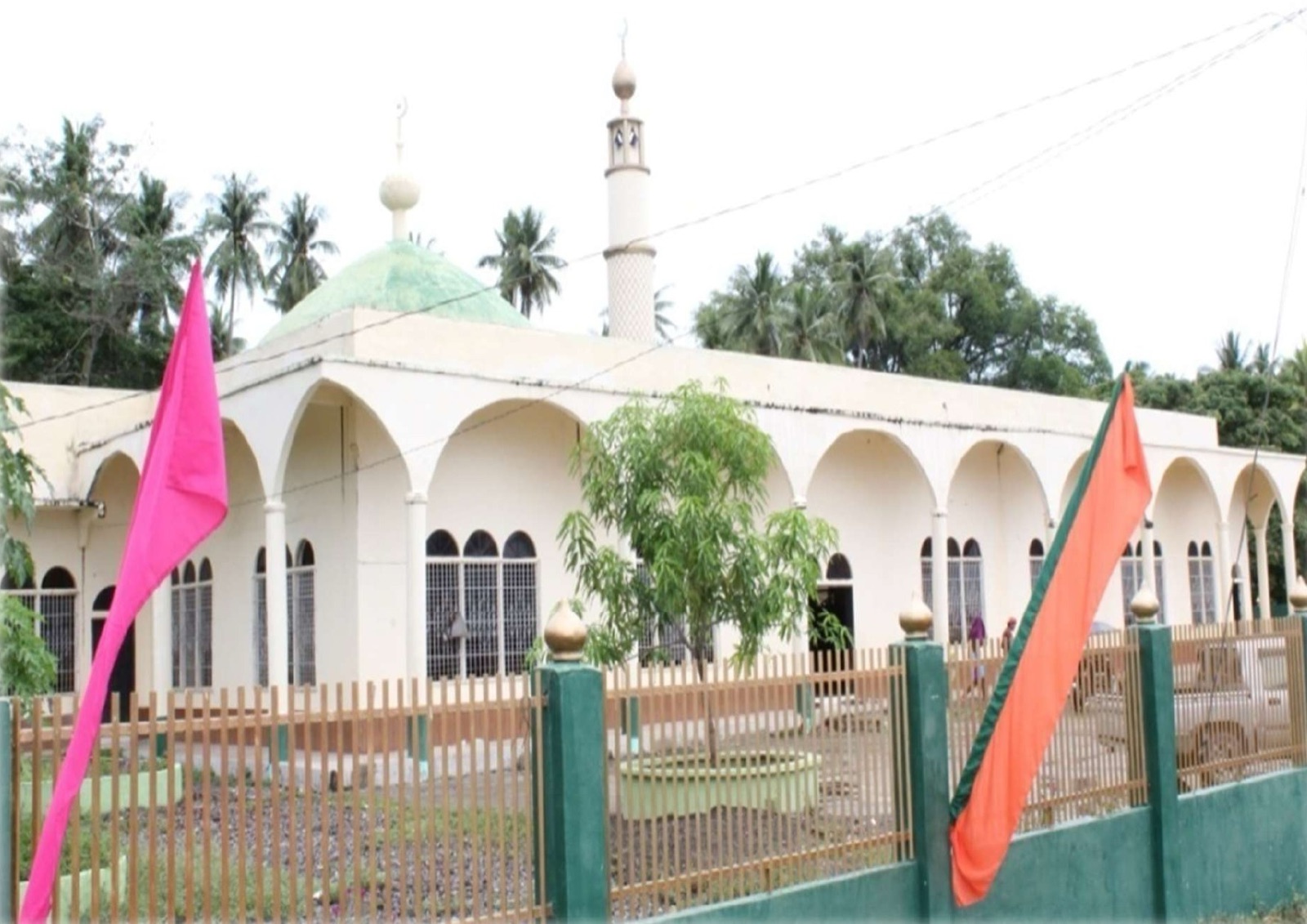 Mosque · Maguindanao del SurMiracle MosqueA mosque in Mamasapano that the community dates to 1444, known for a mimbar said to have survived a flood.Provincial Government of Maguindanao del Sur · Philippine government workPhoto by Provincial Government of Maguindanao del Sur, Philippine government work. Open the source file.
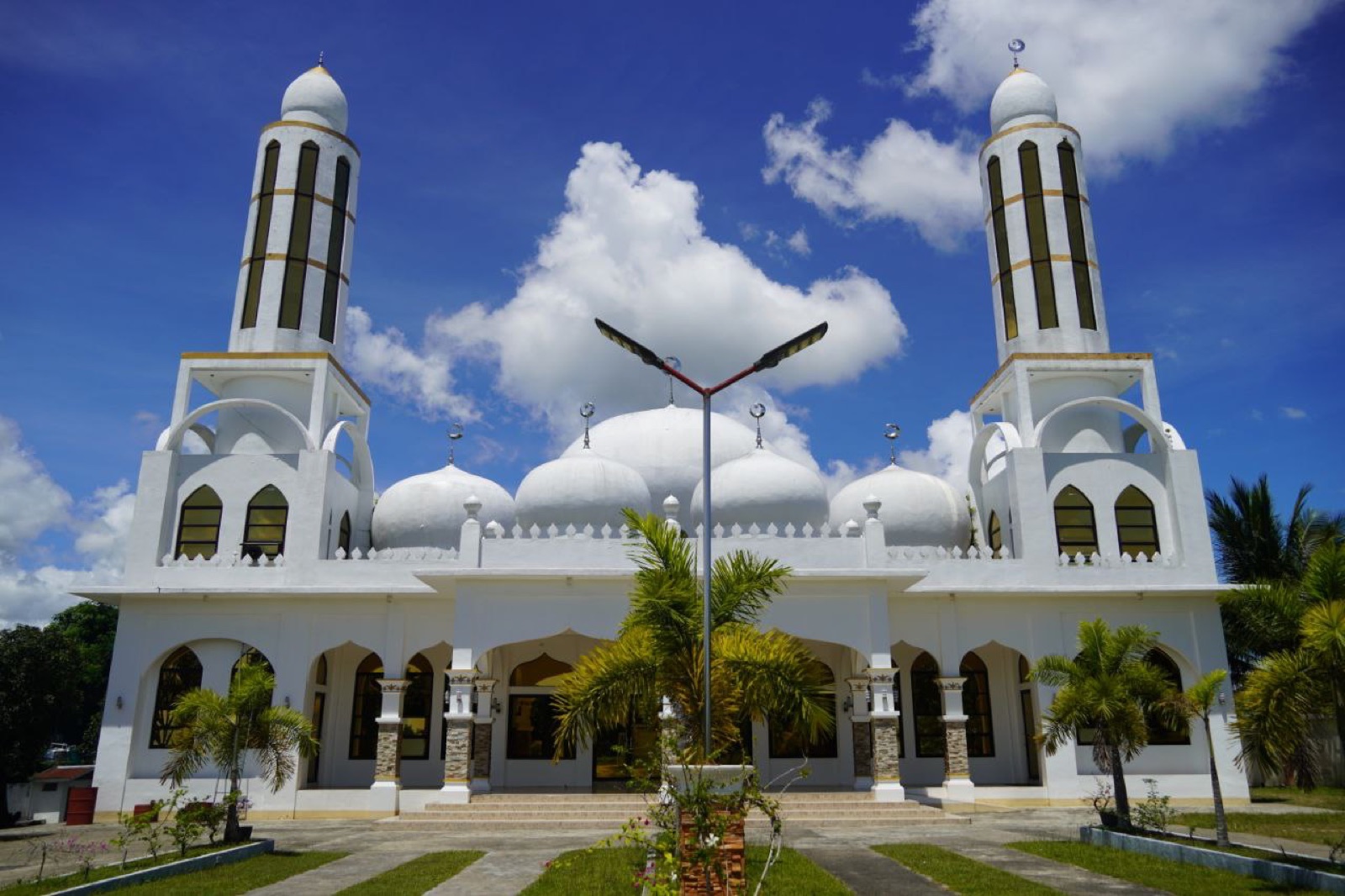 Mosque · Maguindanao del NorteMasjid Al-Nasser AbpiA white-and-gold mosque in Datu Odin Sinsuat, built in 2016, that holds more than 10,000 worshippers.Comenei Ali / Bangsamoro Information Office · Philippine government workPhoto by Comenei Ali / Bangsamoro Information Office, Philippine government work. Open the source file.



Lakes 5
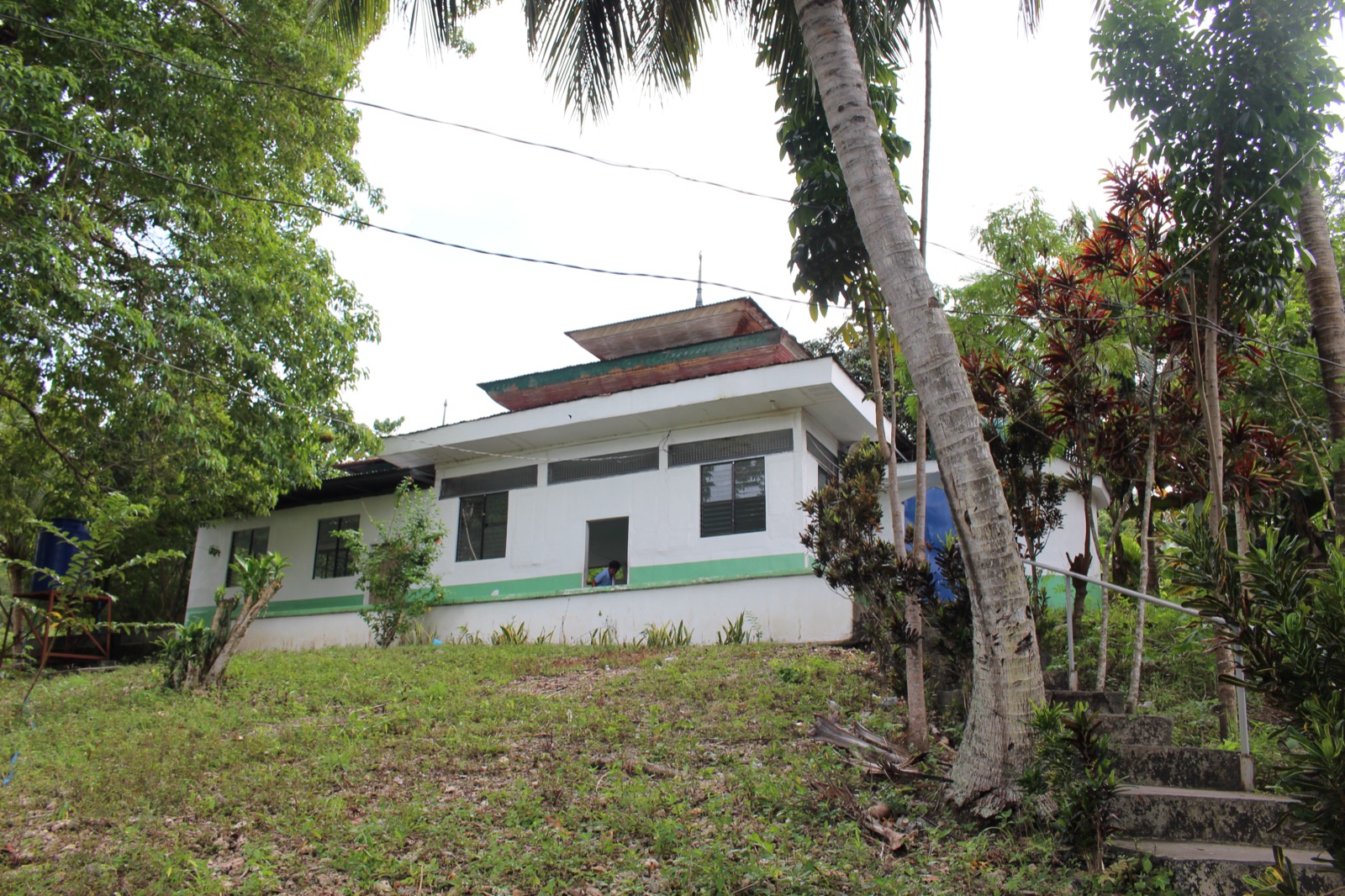
 Lake · Lanao del SurLake DapaoA deep lake south-west of Lake Lanao, up to 120 metres deep and protected as a national park since 1965.Bangsamoro Ministry of Environment, Natural Resources, and Energy · Public domainPhoto by Bangsamoro Ministry of Environment, Natural Resources, and Energy, Public domain. Open the source file.


Falls 5

Mountains 7



Nature 21
 Nature · Maguindanao del SurLigawasan MarshOne of the largest wetlands in the country — channels, floating vegetation, birds.Earth Science and Remote Sensing Unit, Lyndon B. Johnson Space Center · Public domainPhoto by Earth Science and Remote Sensing Unit, Lyndon B. Johnson Space Center, Public domain. Open the source file.
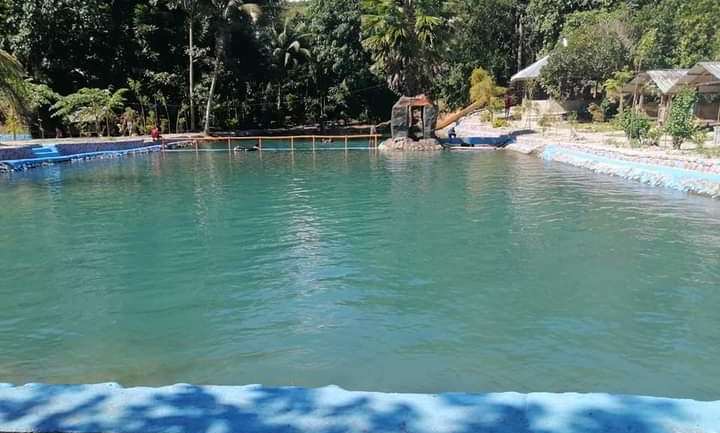 Nature · Maguindanao del SurKilantan SpringA cool spring in Ampatuan, on ground the Teduray hold as a sacred hunting ground.Provincial Government of Maguindanao del Sur · Philippine government workPhoto by Provincial Government of Maguindanao del Sur, Philippine government work. Open the source file.
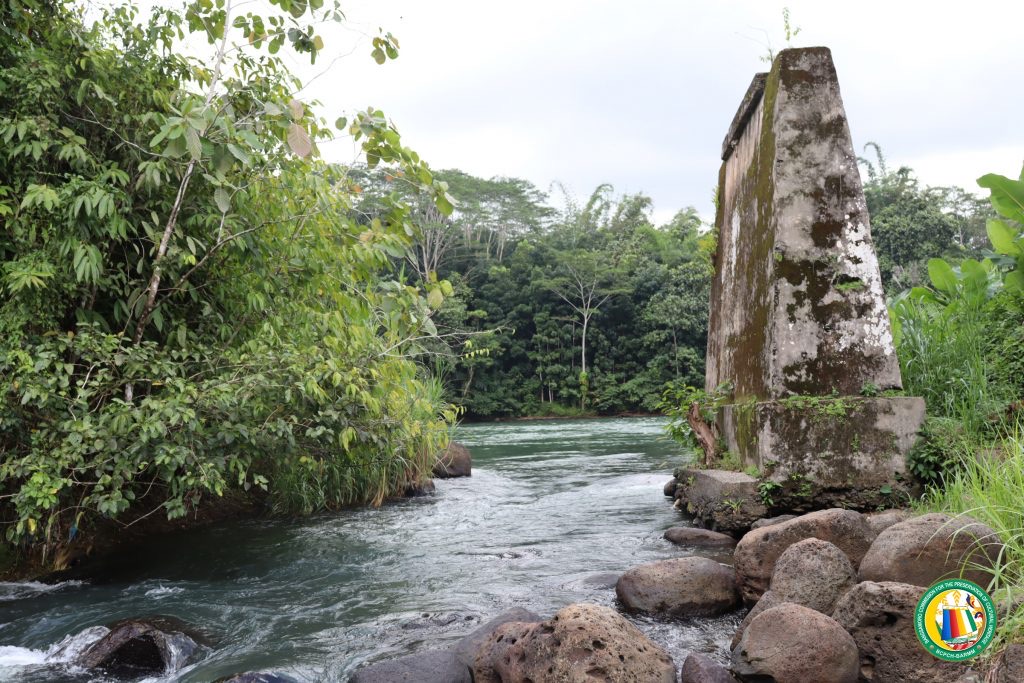 Nature · Lanao del SurAgus RiverThe fast river that drains Lake Lanao through Marawi to Iligan Bay and powers much of Mindanao.Bangsamoro Commission for the Preservation of Cultural Heritage · Philippine government workPhoto by Bangsamoro Commission for the Preservation of Cultural Heritage, Philippine government work. Open the source file.




Heritage 22
 Heritage · Tawi-TawiBurial Site of Sheik Karimol MakhdumThe grave in Tandu Banak, Sibutu, of the 14th-century missionary who brought Islam to the Philippines, declared a National Historical Shrine.National Historical Commission of the Philippines · Public domainPhoto by National Historical Commission of the Philippines, Public domain. Open the source file.
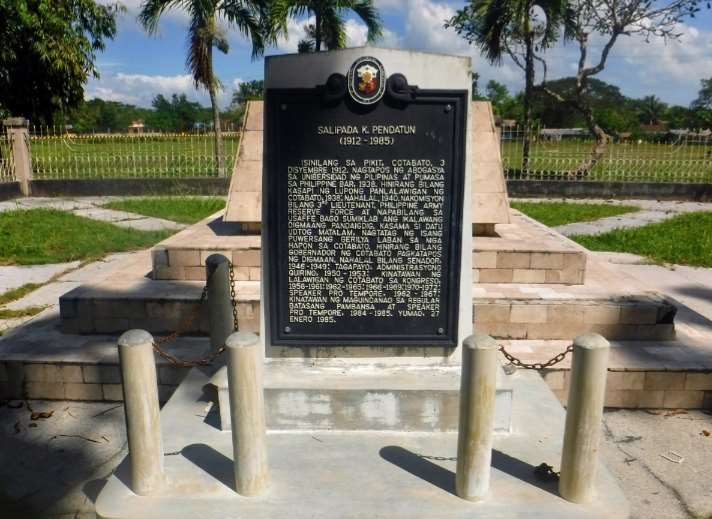 Heritage · Maguindanao del SurTomb of Salipada K. PendatunThe grave of the World War II guerrilla leader and lawmaker after whom his town is named, marked by the National Historical Commission.Provincial Government of Maguindanao del Sur · Philippine government workPhoto by Provincial Government of Maguindanao del Sur, Philippine government work. Open the source file.
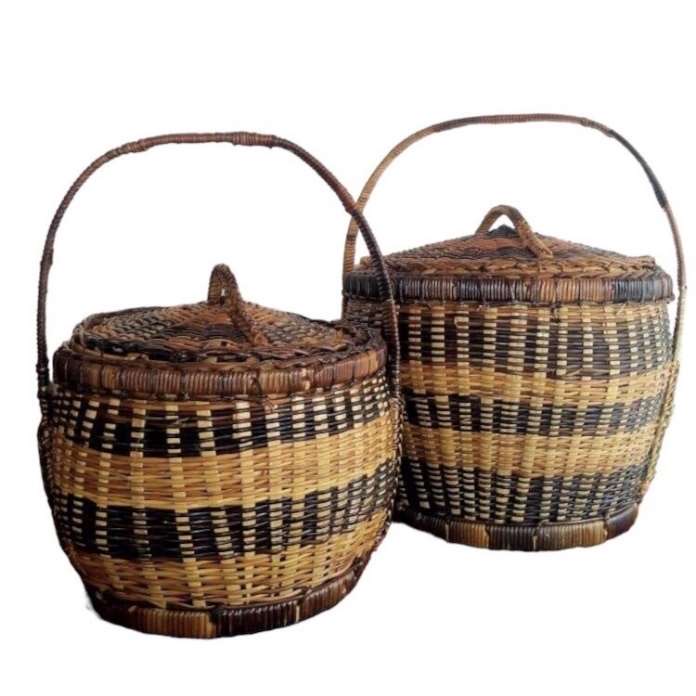 Heritage · Maguindanao del SurLimpongo Teduray craftsA Teduray village in Datu Hoffer Ampatuan where women make and sell rattan and bamboo goods.Provincial Government of Maguindanao del Sur (Maguindanao del Sur Handicrafts, p. 2) · Philippine government workPhoto by Provincial Government of Maguindanao del Sur (Maguindanao del Sur Handicrafts, p. 2), Philippine government work. Open the source file.
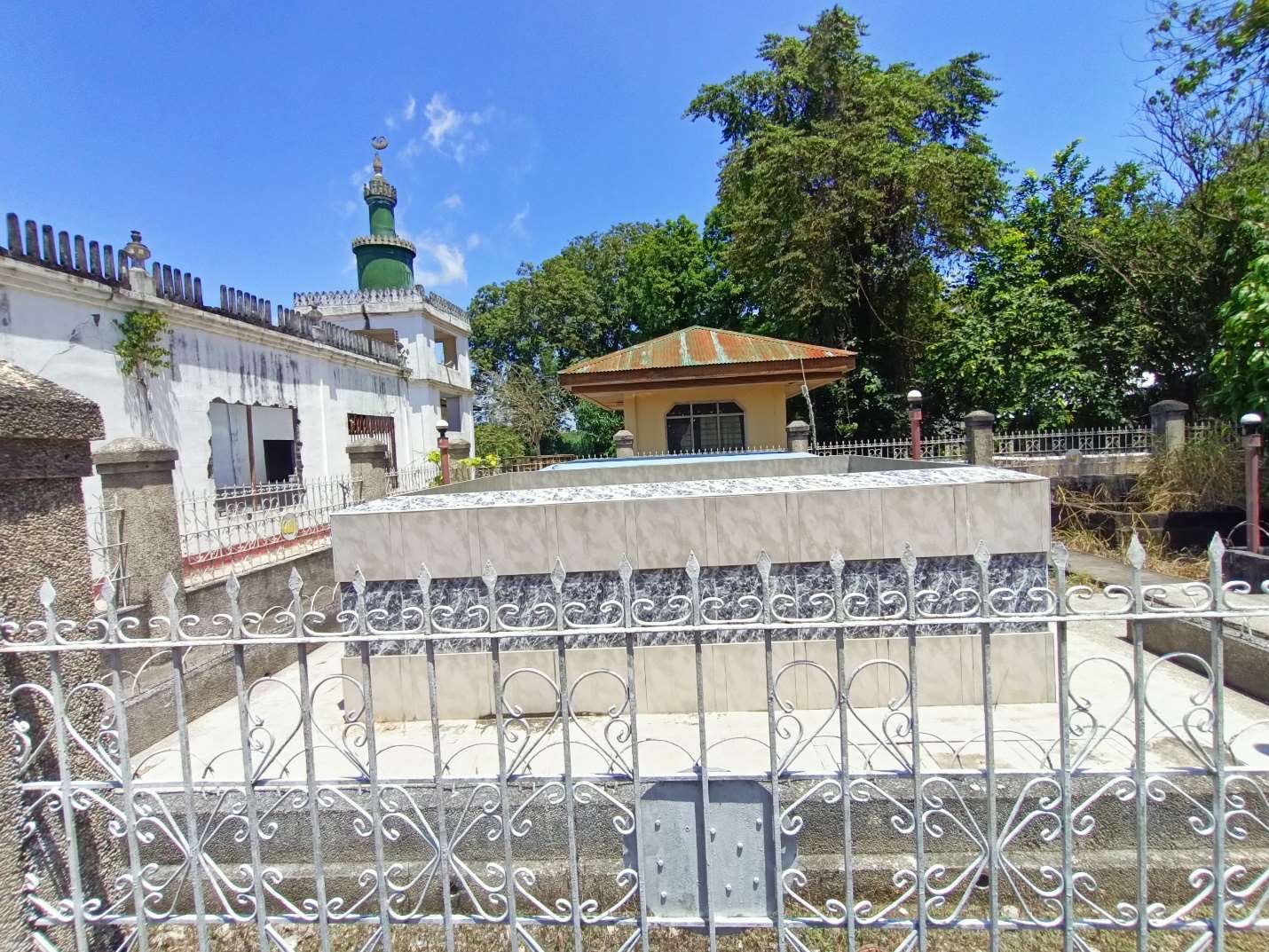 Heritage · Maguindanao del SurTomb of Datu Udtog Matalam and the Old MosqueThe tomb of a former governor of the old Cotabato province, beside an old mosque in Pagalungan.Provincial Government of Maguindanao del Sur · Philippine government workPhoto by Provincial Government of Maguindanao del Sur, Philippine government work. Open the source file.
 Heritage · Maguindanao del SurOld Maguindanao Provincial CapitolThe P218-million capitol the Ampatuans built in Shariff Aguak, about 400 m from their mansions.601st Infantry Brigade, Philippine Army · Public domainPhoto by 601st Infantry Brigade, Philippine Army, Public domain. Open the source file.


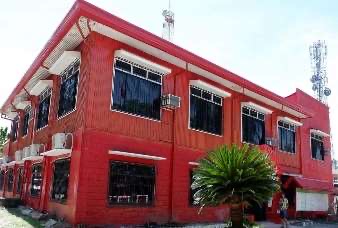
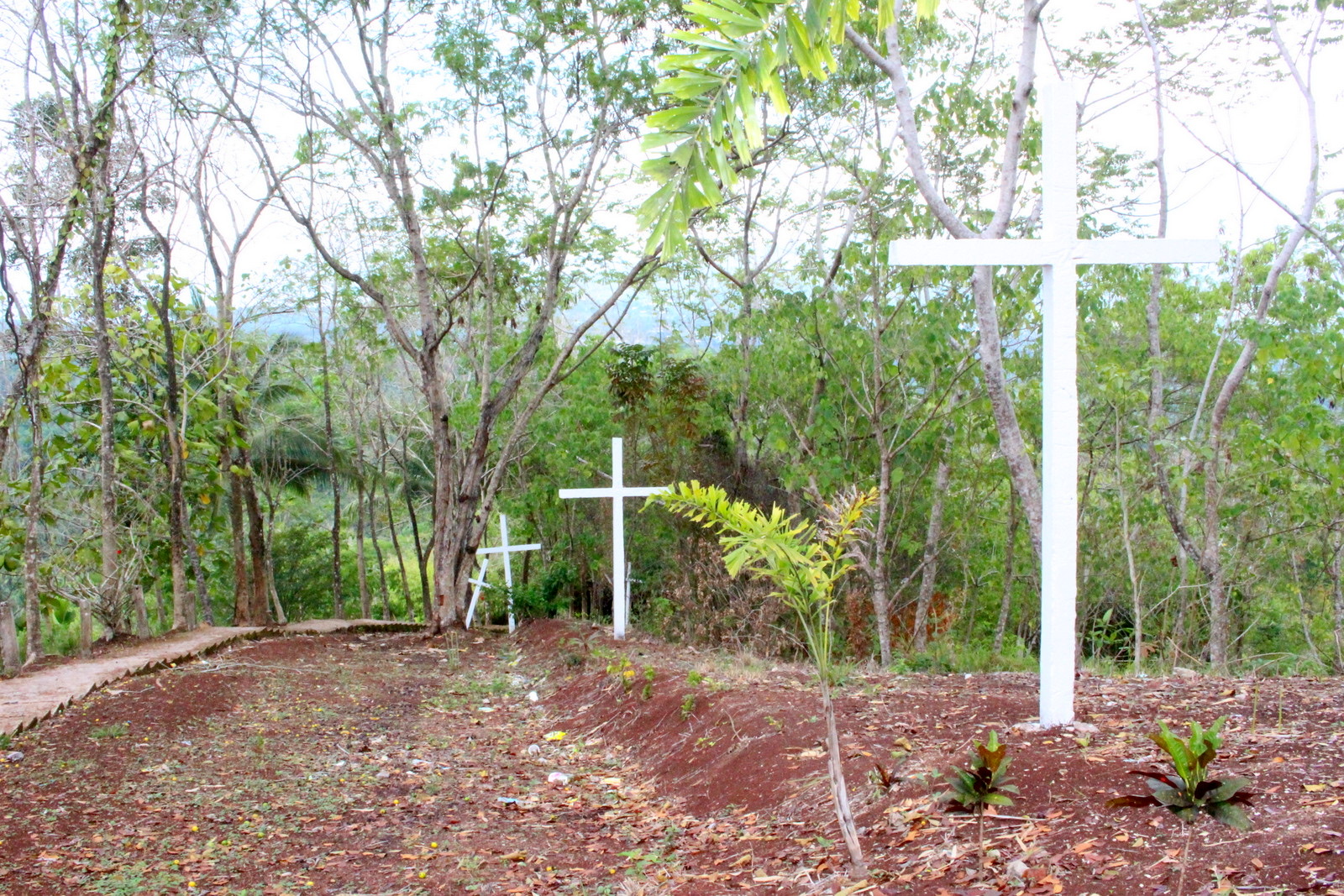


Museums 5
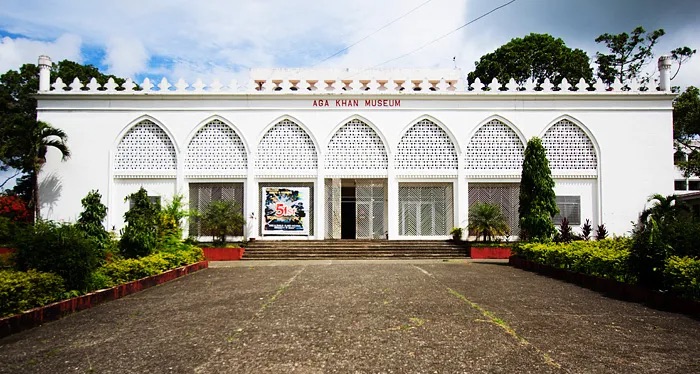
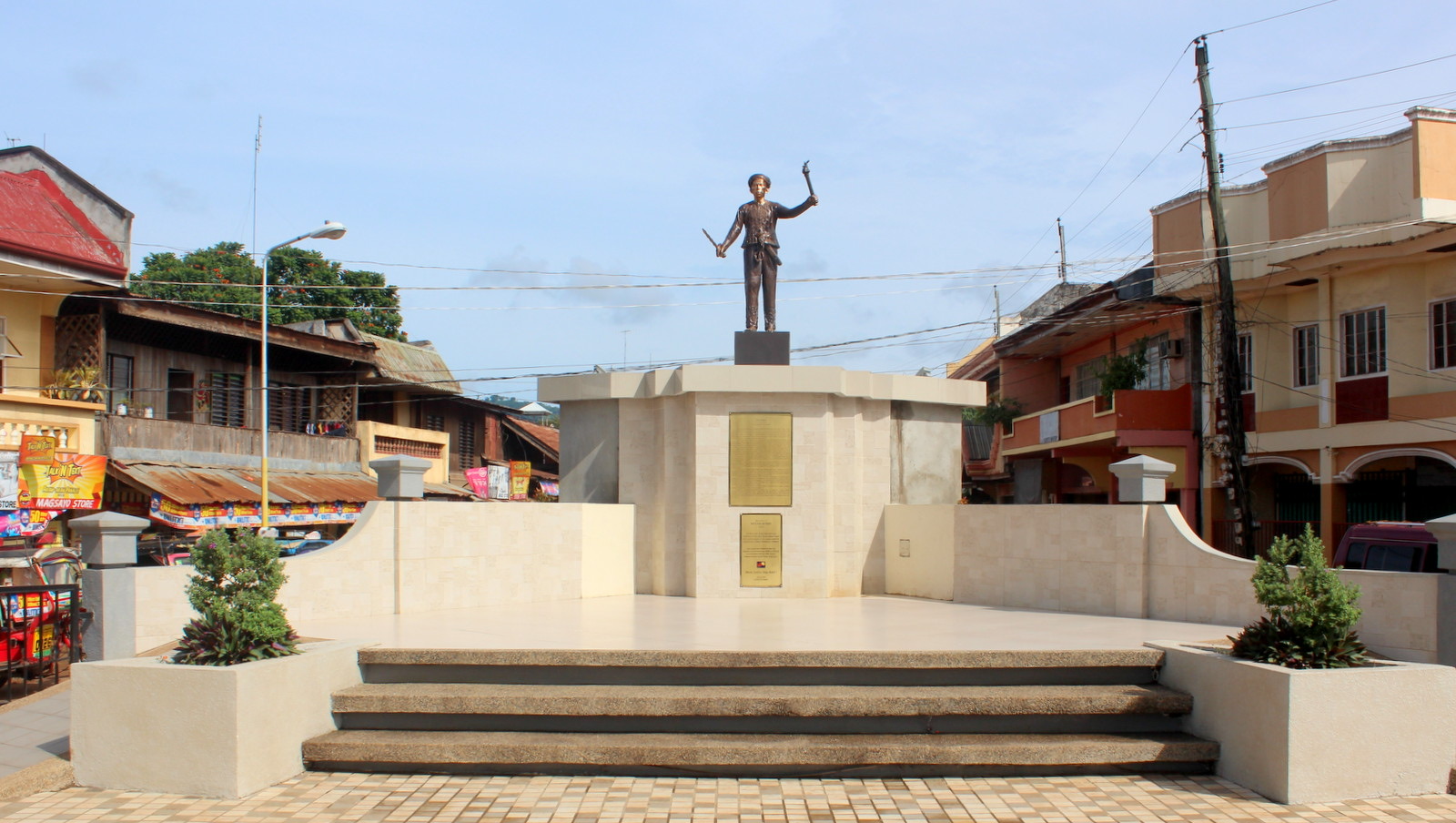


Cities 2


Markets 2
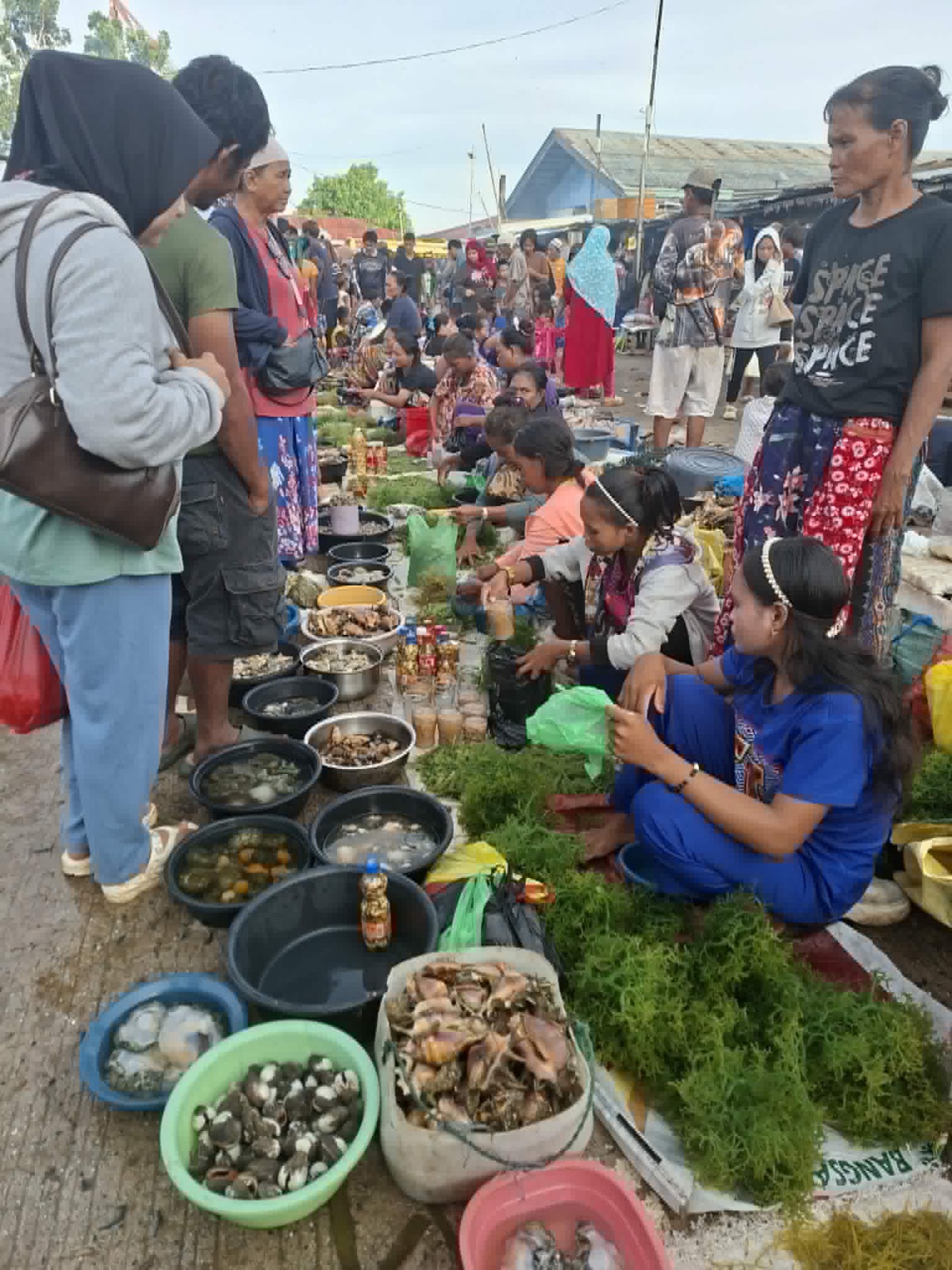 Market · Tawi-TawiAdlaw Pagtabuh-tabuhA weekly Saturday market in Panglima Sugala where Badjao fishers and Tausug farmers still trade goods by barter.Laila Aripin / Bangsamoro Information Office · Philippine government workPhoto by Laila Aripin / Bangsamoro Information Office, Philippine government work. Open the source file.

Memory 8
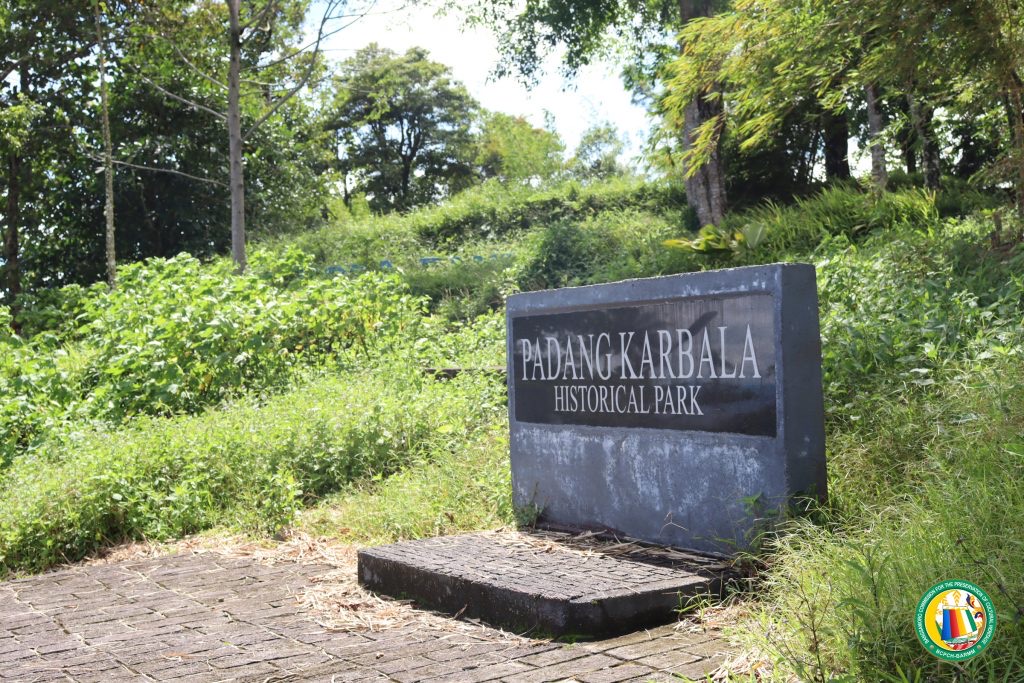 Memory · Lanao del SurPadang KarbalaThe field in Bayang where the Sultan of Bayang and his followers made their last stand against American forces in May 1902.Bangsamoro Commission for the Preservation of Cultural Heritage · Philippine government workPhoto by Bangsamoro Commission for the Preservation of Cultural Heritage, Philippine government work. Open the source file.
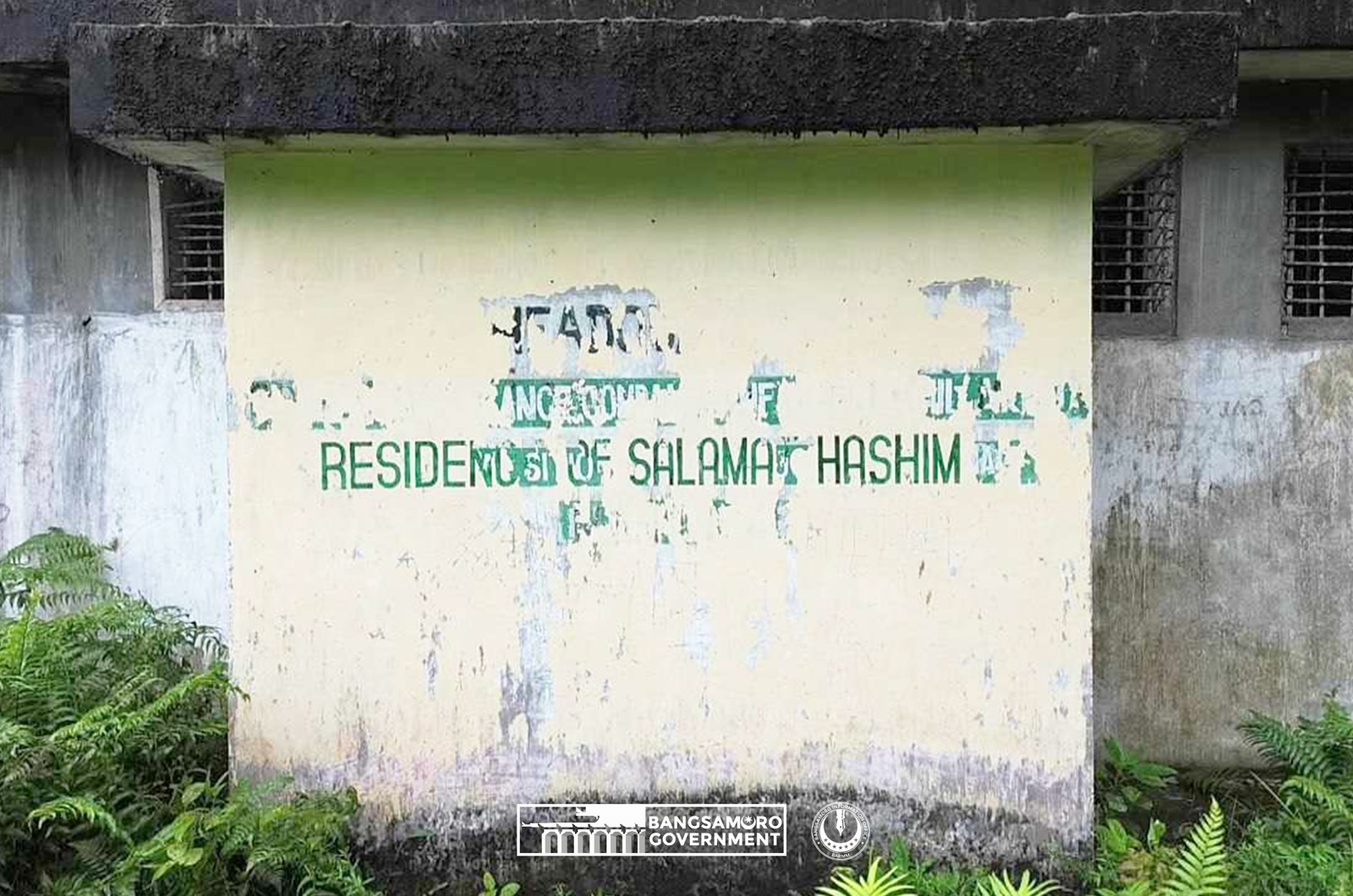 Memory · Maguindanao del NorteSalamat Hashim residence, Camp AbubakarThe 1990 house in the former MILF stronghold of Camp Abubakar where the movement's founder lived, the first site marked by the Bangsamoro heritage commission.Morsid Kadir / Bangsamoro Information Office · Philippine government workPhoto by Morsid Kadir / Bangsamoro Information Office, Philippine government work. Open the source file.
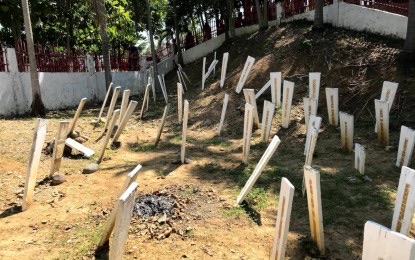 Memory · Maguindanao del SurAmpatuan massacre memorialThe site in Sitio Masalay where 58 people, many of them journalists, were killed on 23 November 2009.Philippine News Agency (PNA GenSan photo) · Philippine government workPhoto by Philippine News Agency (PNA GenSan photo), Philippine government work. Open the source file.
 Memory · Lanao del SurCamp KeithleyThe site of an American army post of 1903 in Marawi, now being excavated by archaeologists.Unknown photographer (postcard, more than 100 years old) · Public domainPhoto by Unknown photographer (postcard, more than 100 years old), Public domain. Open the source file.

Every place is traced to the pages it came from, and the guide’s own entries are the travel workspace’s. Photos are from Wikimedia Commons or English Wikipedia under free licences, each credited on the photo. 7 areas: Basilan, Lanao del Sur, Maguindanao del Norte and del Sur, Tawi-Tawi, Cotabato City and the Special Geographic Area.
Get involved
Public records get betterwhen people check them.
Spotted an error, or have a document worth adding? Every correction and every source makes the record stronger — and the official source is always right where we are wrong.