Public transparency for the Bangsamoro
Public records,in one place.
BetterBARMM turns scattered Bangsamoro public records into workspaces you can read, question, and trace back to the source — the bills before Parliament, the budgets behind them, and every local government in the region.
Better Transparency, Better Governance
3 live.More on the way.
Each one turns a pile of public records into something you can read, question, and trace back to the source. A card without a link is one we have not built yet.
One region.Five provinces, a city, and a special area.
BARMM is the only autonomous region in the Philippines with its own parliament. On September 14, 2026 its voters elect all 80 members for the first time.
80
Seats in Parliament
40 by party, 32 by district, 8 reserved.
7
Areas of the region
Five provinces, Cotabato City, and the Special Geographic Area. Sulu was excluded by the Supreme Court.
2,180
Barangays
The rung of government nearest the household, and the one most often elected.
4.33 M
People
At the July 1, 2024 census, excluding Sulu and the Special Geographic Area. PSA counts both, and puts the region at 5,691,583.
Get to knowthe Bangsamoro.
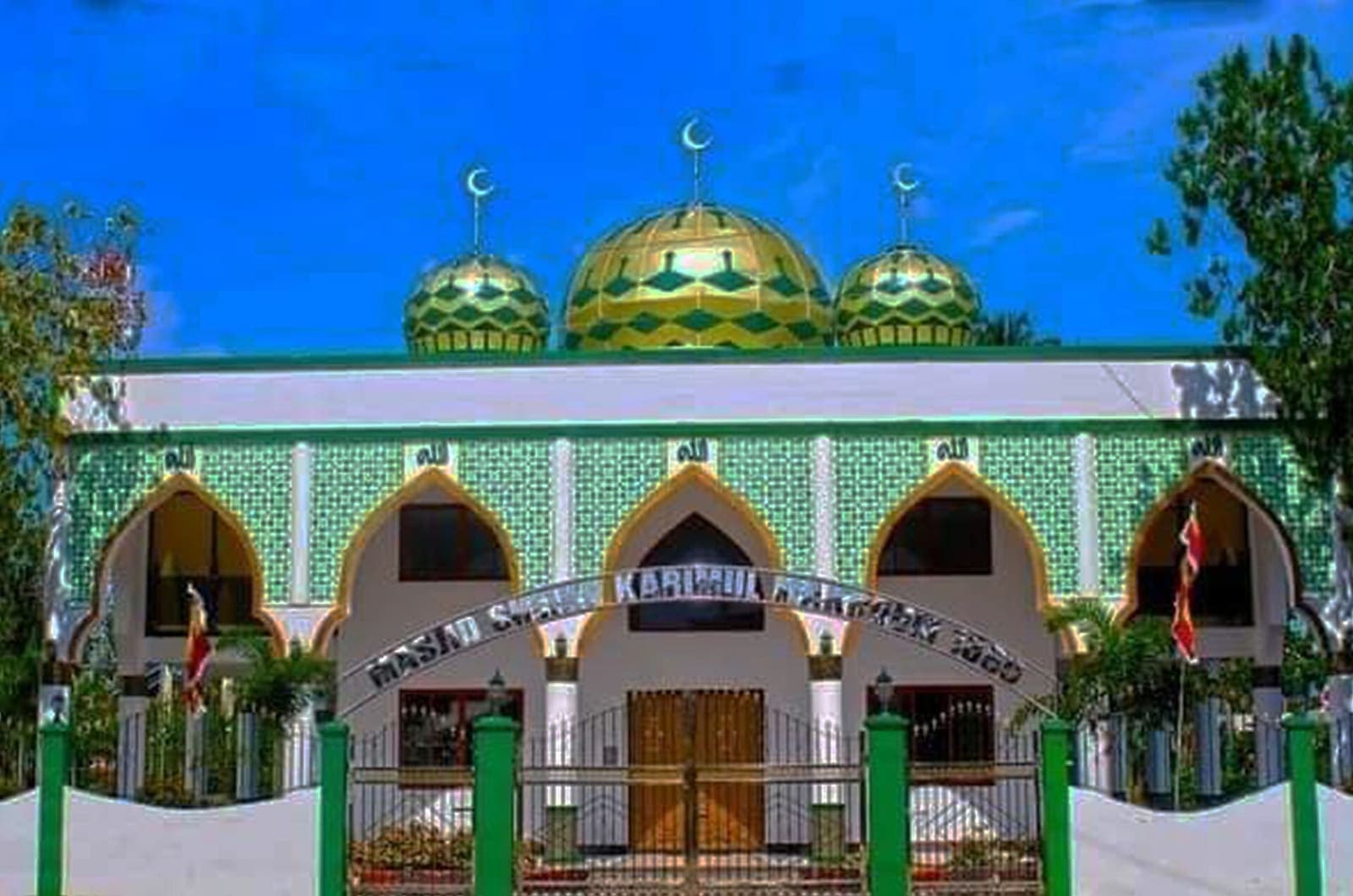 01HistoryFrom the sultanates and the Bangsamoro struggle to the Organic Law and the transition.SultanatesPeace process
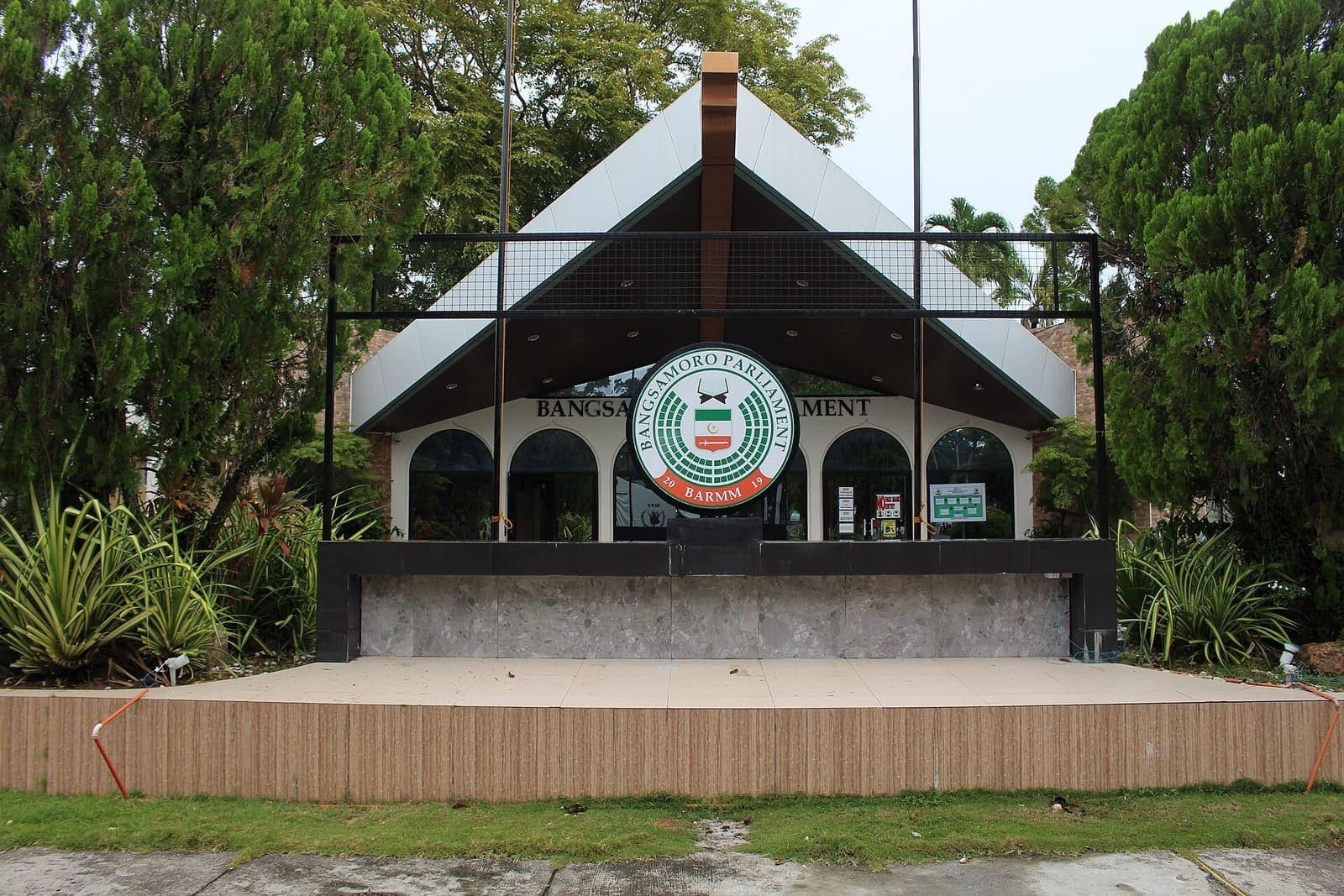 02GovernmentParliament, the chief minister, ministries, and the offices that run the region.ParliamentMinistries
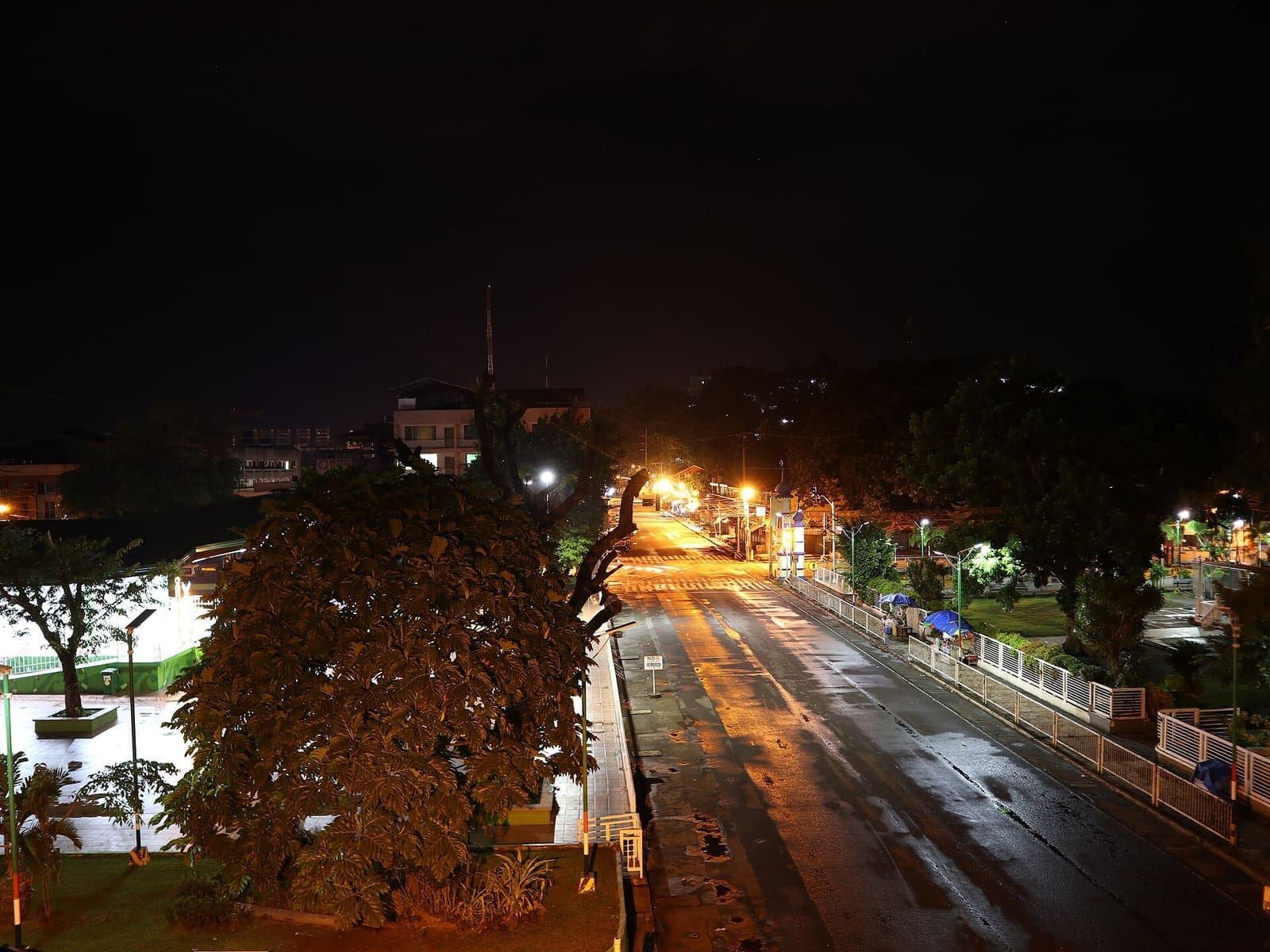 03Local GovernmentProvinces, cities, municipalities and barangays — and who you elect to each.ProvincesBarangays
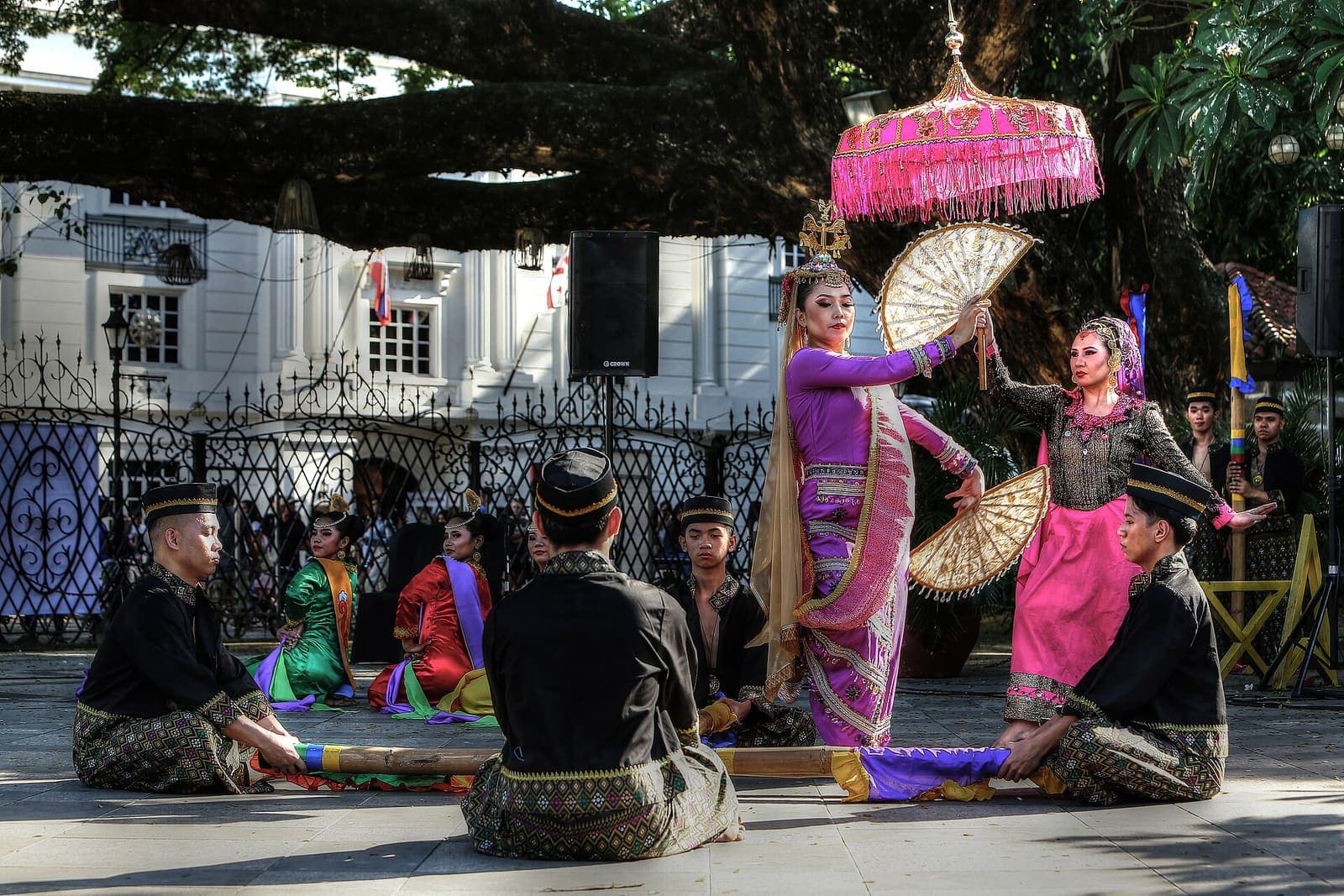 04PeopleThe Moro, Indigenous, and settler communities that shape Bangsamoro life.13 Moro groupsLanguages
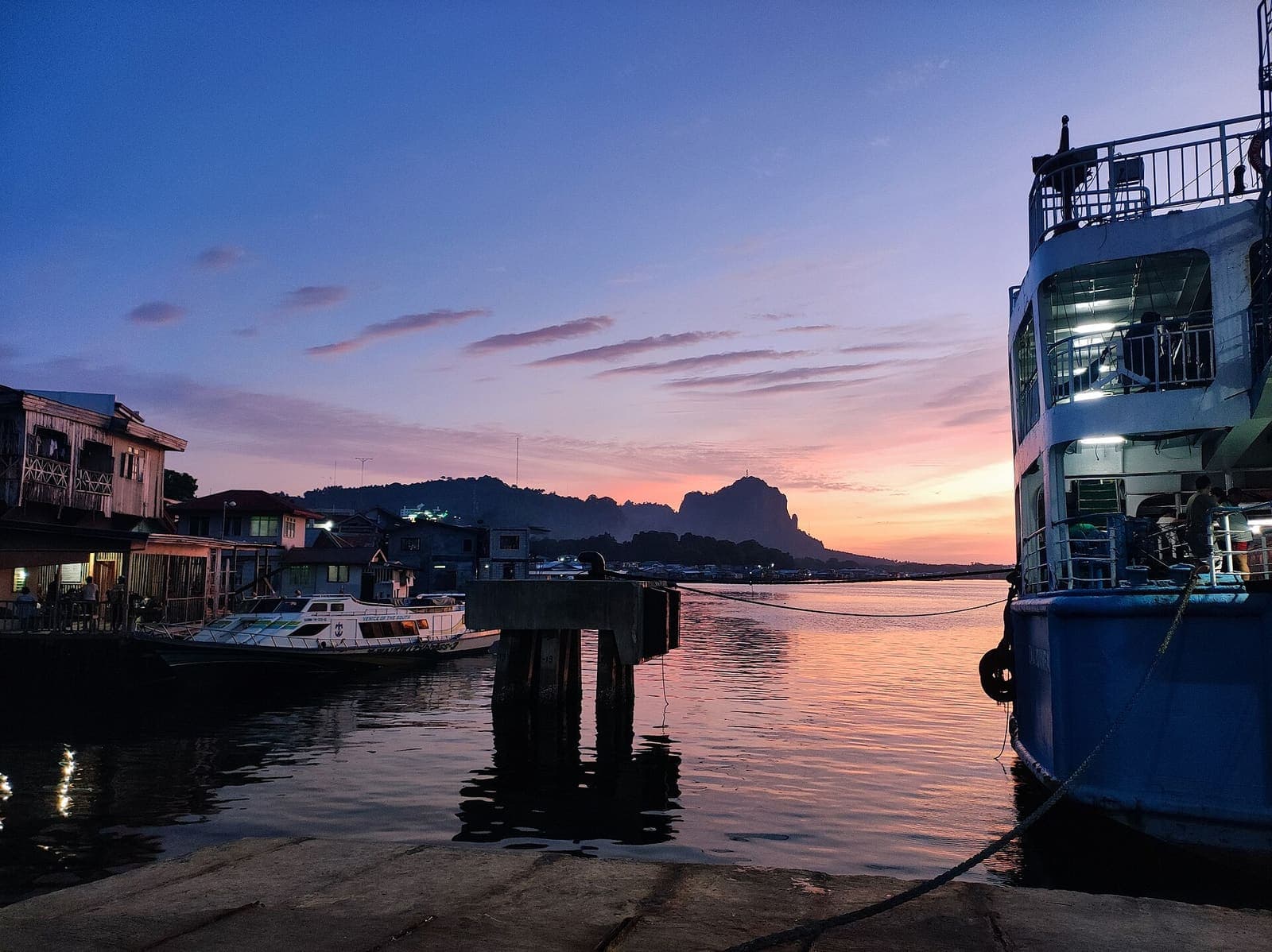 05Culture & PlacesMosques, sacred sites, islands, food, textiles, and living heritage.IslandsTextiles
Get involved
Public records get betterwhen people check them.
Spotted an error, or have a document worth adding? Every correction and every source makes the record stronger — and the official source is always right where we are wrong.