Bangsamoro primer

The Story of Bangsamoro.

Start with the region: its history, cultures, institutions, and places. This is a growing, source-backed public guide for readers who want context before reading budgets, bills, and source records.

01 / History

A region formed through identity, peace, and public choice.

Before the budgets, offices, laws, and public services, BARMM has a story: a long struggle for recognition, a peace process, an organic law, a public vote, and the work of building institutions that can serve a diverse region.

01

Identity

A people with a distinct public memory

The Bangsamoro story starts with communities whose histories, faith traditions, customary institutions, and political aspirations shaped a long demand for meaningful self-governance.

02

Peace Process

From conflict to negotiated autonomy

The region's modern institutions are tied to years of peace negotiations, organizing, public consultation, and the effort to move from armed conflict toward a political settlement.

03

2019

Organic Law, plebiscite, and transition

The Bangsamoro Organic Law was ratified in January 2019. A two-part plebiscite shaped the new region, which replaced ARMM and began the transition into BARMM.

02 / Governance

How the Bangsamoro government works

How Parliament, the Chief Minister, ministries, and public offices fit together.

Source notes

BARMM was created under the Bangsamoro Organic Law and organized through the Bangsamoro Administrative Code. It is not a province, city, or ordinary regional office. It is an autonomous regional government with a parliamentary setup: the Bangsamoro Parliament exercises legislative power, while the Chief Minister leads the executive branch and works through ministries, agencies, offices, and commissions. As of May 21, 2026, the BARMM key officials page lists Abdulraof A. Macacua as Chief Minister; verify current officials against official pages before citation.

Government map

Ministries, offices, and their public roles

A plain-language guide to the institutions readers will meet most often: ministries deliver public services, attached offices handle specialized functions, Parliament makes regional laws, and executive offices coordinate the work of government.

Government type

Parliamentary

Autonomous regional government under the Bangsamoro Organic Law

BARMM has its own regional institutions under Philippine law. Its parliamentary model links lawmaking, cabinet leadership, and executive administration more closely than a presidential local government setup.

Executive

OCM

Office of the Chief Minister

The Chief Minister leads the Bangsamoro Government, sets executive priorities, works with the Cabinet, and oversees the regional administration through ministries and attached offices.

Legislative

Parliament

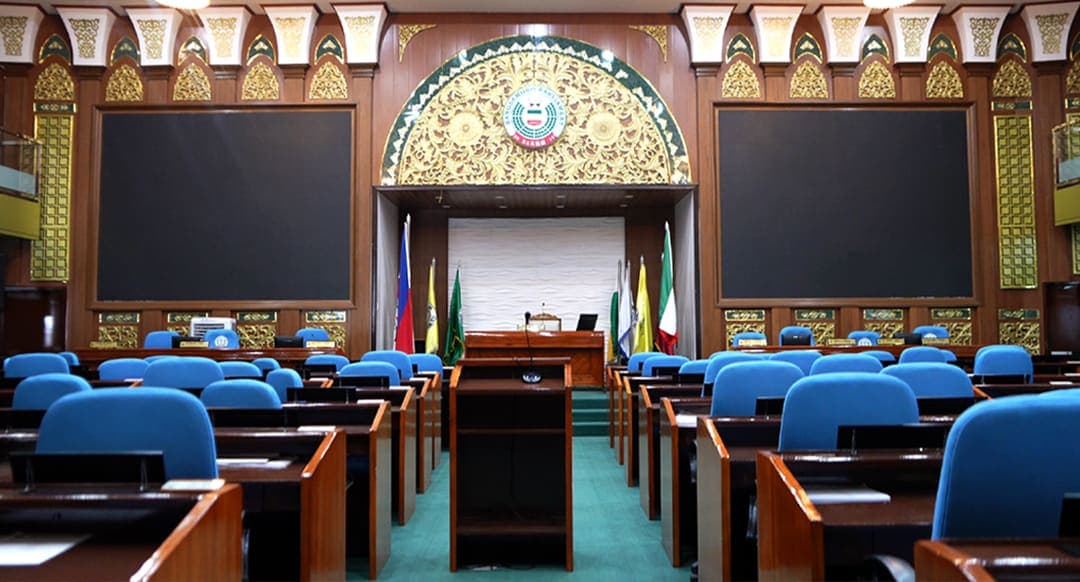
Bangsamoro Parliament

The Parliament deliberates and passes Bangsamoro laws, handles bills and resolutions, reviews public issues through committees, and provides the legislative side of regional self-government.

Cabinet support

Senior offices

Deputy Chief Ministers, Senior Minister, and Cabinet Secretary

These offices support executive coordination, cabinet work, island and mainland concerns, policy follow-through, and day-to-day government management around the Chief Minister.

Attached office

BICTO

Bangsamoro Information and Communications Technology Office

Supports digital government, ICT systems, connectivity, information systems, cybersecurity-related coordination, and technology capacity for ministries and communities.

Attached office

BIO

Bangsamoro Information Office

Handles government information work, public updates, media coordination, official announcements, and communication support across ministries, agencies, and offices.

Planning office

BPDA

Bangsamoro Planning and Development Authority

Leads socioeconomic planning, policy coordination, development programming, monitoring, evaluation, research, statistics, and investment planning for the Bangsamoro Government.

Legal office

BAGO

Bangsamoro Attorney General's Office

Provides legal support to the Bangsamoro Government, including government legal representation, legal opinions, intergovernmental coordination, and justice-related policy work.

Cultural heritage

BCPCH

Bangsamoro Commission for the Preservation of Cultural Heritage

Documents, preserves, conserves, and promotes Bangsamoro history, culture, arts, traditions, cultural properties, shrines, heritage sites, libraries, and museums.

Rights body

BHRC

Bangsamoro Human Rights Commission

Works on human rights promotion, protection, monitoring, education, and accountability concerns within the autonomous region.

Sectoral office

BWC

Bangsamoro Women Commission

Advances gender-responsive governance, women-focused policy, gender and development coordination, and programs that support women across the region.

Sectoral office

BYC

Bangsamoro Youth Commission

Supports youth participation, youth development programs, leadership initiatives, policy coordination, and representation of young Bangsamoro constituents.

Attached office

BSC

Bangsamoro Sports Commission

Supports regional sports development, athlete welfare, community sports programs, partnerships, and sports-related initiatives across Bangsamoro communities.

Religious authority

BDI

Bangsamoro Darul-Ifta'

Provides Islamic guidance, religious advisory work, and faith-related public reference for the Bangsamoro Government and Muslim communities.

Ports authority

BPMA

Bangsamoro Ports Management Authority

Handles port administration, port development, maritime gateway coordination, and public infrastructure concerns tied to regional trade and mobility.

Public learning

DAB

Development Academy of the Bangsamoro

Supports capacity building, public-sector learning, leadership development, research, and institutional strengthening for Bangsamoro governance.

Enterprise office

CSEA

Cooperative and Social Enterprise Authority

Supports cooperatives, social enterprises, enterprise development, and community-based economic organizations across the region.

Pilgrimage office

BPA

Bangsamoro Pilgrimage Authority

Coordinates pilgrimage-related concerns, support services, and public information for Bangsamoro constituents participating in religious travel.

Public finance

MFBM

Ministry of Finance, and Budget and Management

Handles budget preparation, fiscal management, treasury and financial systems, and the public finance processes that shape how regional funds move.

Education

MBHTE

Ministry of Basic, Higher and Technical Education

Leads the regional education portfolio, covering basic education, higher education, technical education, and education systems that serve Bangsamoro learners.

Health

MOH

Ministry of Health

Oversees health policy, public health programs, health facilities coordination, disease response, and service delivery priorities across BARMM communities.

Housing

MHSD

Ministry of Human Settlements and Development

Handles human settlements, housing-related policy, shelter programs, and settlement development concerns across Bangsamoro communities.

Local governance

MILG

Ministry of the Interior and Local Government

Works with provinces, cities, municipalities, barangays, and public safety partners on local governance, community administration, and local institutional capacity.

Labor

MOLE

Ministry of Labor and Employment

Works on labor standards, employment facilitation, worker welfare, livelihood support, and labor-market concerns in the region.

Public safety

MPOS

Ministry of Public Order and Safety

Coordinates public order, safety, peace-and-security programs, risk reduction, and community safety concerns within the Bangsamoro Government.

Infrastructure

MPW

Ministry of Public Works

Plans and implements regional infrastructure such as roads, bridges, public buildings, flood-control works, and other public construction programs.

Science and tech

MOST

Ministry of Science and Technology

Leads science, technology, innovation, scholarship, research, and applied technical programs that support regional development.

Food and land

MAFAR

Ministry of Agriculture, Fisheries and Agrarian Reform

Supports farming, fisheries, agrarian reform, food security, rural production, and livelihood systems tied to land and coastal economies.

Social services

MSSD

Ministry of Social Services and Development

Leads social welfare, protection programs, emergency assistance, family and community support, and services for vulnerable sectors.

Trade and tourism

MTIT

Ministry of Trade, Investments and Tourism

Promotes trade, enterprise development, investment, tourism, halal industry opportunities, and market-facing economic programs.

Environment

MENRE

Ministry of Environment, Natural Resources and Energy

Handles environmental management, natural resources, protected areas, land-related regulatory work, conservation, and energy concerns.

Indigenous peoples

MIPA

Ministry of Indigenous Peoples' Affairs

Represents and supports Indigenous peoples concerns in regional governance, including cultural rights, community welfare, and policy coordination.

Transport and comms

MOTC

Ministry of Transportation and Communications

Handles transportation, communications, mobility systems, sector coordination, and related public-service concerns for the region.

03 / People

Peoples and communities of Bangsamoro

Meet the Moro, Indigenous, and settler communities that shape Bangsamoro public life.

Source notes

BCPCH groups the Bangsamoro People into Islamized ethnolinguistic groups, Indigenous peoples, and settler communities. Use the source links for deeper reading and keep local context in view.

People and communities

Groups listed by BCPCH

The Bangsamoro Commission for the Preservation of Cultural Heritage (BCPCH) is the regional body that documents, preserves, and promotes Bangsamoro cultural heritage. Its Bangsamoro People page groups the region's communities into Islamized ethnolinguistic groups, Indigenous peoples, and settler communities. Each note below is written as a short public guide and points back to BCPCH where a source page is available.

Islamized ethnolinguistic groups

BCPCH lists 13 Moro ethnolinguistic groups under this category. They are connected by Islam and Bangsamoro identity, but each has its own language, homeland, history, and cultural practice.

01

Meranao

The Meranao are strongly associated with Lake Lanao and Lanao del Sur. BCPCH describes the name as meaning people of the lake, with cultural life tied to Marawi, lake communities, textiles, metalwork, woodcraft, and the torogan.

02

Maguindanaon

The Maguindanaon are associated with the Pulangi River valley, Maguindanao, Cotabato, and nearby provinces. BCPCH notes lower-valley and upper-valley groups linked to the Sultanate of Maguindanao and the Rajahship of Buayan.

03

Iranun

The Iranun are closely related culturally and linguistically to the Meranao and Maguindanaon. BCPCH places many Iranun communities along the Illana Bay coast, Maguindanao, Zamboanga del Sur, and wider maritime routes.

04

Yakan

The Yakan are concentrated in Basilan, including Lamitan, Tipo-Tipo, Sumisip, and Tuburan. BCPCH highlights farming, upland rice cultivation, community religious leadership, weaving, and colorful traditional dress.

05

Tausug

The Tausug are the dominant group of the Sulu archipelago in BCPCH accounts, with communities in Jolo, Indanan, Siasi, Patikul, and beyond. Their name is linked to Jolo, Sulu, coastal and interior dialects, and Sulu political history.

06

Sama

Sama communities form a wide island and coastal ethnolinguistic world across Sulu, Tawi-Tawi, Basilan, Zamboanga, and nearby seas. The name covers many local identities, languages, and maritime or coastal livelihoods.

07

Sama di Laut

Sama di Laut communities are often associated with sea-oriented life, navigation, fishing, boat culture, diving, and coastal settlement. BCPCH lists them separately from Sama in its Bangsamoro People page.

08

Jama Mapun

The Jama Mapun are native to Mapun, formerly Cagayan de Tawi-Tawi, and Turtle Islands, with communities also found in northern Palawan and nearby islands. BCPCH notes a Sama-Bajau language and Muslim identity.

09

Kagan/Kalagan

The Kagan or Kalagan are Islamized communities in Davao and neighboring areas. BCPCH describes cultural contact and intermarriage with Tausug and Maguindanaon communities, with language links to Tagakaolo, Tausug, and Maguindanaon.

10

Kolibugan

BCPCH describes Kolibugan identity as connected to Subanun communities who intermarried with Tausug and Sama communities in western Mindanao. Their culture shares elements with Subanun, Tausug, and Sama traditions.

11

Sangil

Sangil communities are found in Balut, Sarangani, and parts of coastal South Cotabato and Davao del Sur. BCPCH links their ancestry to Sangihe in eastern Indonesia and notes an Austronesian language with affinity to Sama.

12

Molbog

The Molbog are associated with Balabac and southern Palawan. BCPCH describes links to North Borneo, contact with Tausug traders, Islamization, subsistence farming, fishing, barter trade, and lexical ties with Sama, Tausug, and Palawano.

13

Palawanon

BCPCH lists Palawanon among the Islamized ethnolinguistic groups and describes Palawan as rich in languages, culture, and archaeological memory, with many Palawanon communities living along upland rivers and some along the coast.

Indigenous peoples

BCPCH lists Teduray, Lambangian, and Manobo Dulangan under Indigenous People. These communities are central to any accurate account of Bangsamoro land, ancestry, customary practice, and cultural governance.

01

Teduray

BCPCH describes coastal, river, and mountain Teduray clans with distinct dialect variations. Teduray communities are found in Upi, South Upi, Dinaig, Ampatuan, Sultan Kudarat, and North Cotabato, with farming, hunting, fishing, basket weaving, and Indigenous customs.

02

Lambangian

BCPCH lists the Lambangian as an Indigenous people of the Bangsamoro. They are often discussed with Teduray and Dulangan Manobo communities in mainland Mindanao cultural, ancestral domain, and Indigenous governance contexts.

03

Manobo Dulangan

BCPCH identifies Manobo Dulangan under Indigenous People and describes Manobo communities in the Cotabato Cordillera, Sultan Kudarat, Maguindanao, South Cotabato, and Sarangani, with Dulangan Manobo linked to mountain communities.

Settler communities

BCPCH also names settler communities, recognizing that the region has been shaped by migration, commerce, education, public service, and urban life alongside Moro and Indigenous histories.

01

Visaya

BCPCH lists Visaya under settler communities. In a BARMM public guide, this points to Visayan migration, settlement, labor, trade, family networks, and everyday civic life in different parts of Mindanao.

02

Tagalog

BCPCH lists Tagalog under settler communities and describes Tagalog as one of the country's largest ethnolinguistic groups, with Filipino language and national public life shaped by Tagalog and Manila-based variants.

03

Chinese

BCPCH lists Chinese under settler communities. Chinese and Chinese-Filipino families and networks have long been part of trade, commerce, town life, and local public economies in Mindanao.

04

Other settler communities

BCPCH uses an open-ended "Etc." category. This should be read carefully: local histories include other families and communities whose stories need documentation from municipal, provincial, and community sources.

04 / Culture & Places

Mosques, food, islands, and living heritage

A starting map of mosques, sacred sites, islands, food, textiles, and living heritage.

Source notes

This is not a travel guide yet. It is a source-backed shortlist of places, food, and cultural markers that help readers recognize BARMM beyond government boundaries.

What to notice

Places, food, and heritage markers

These cards point to recognizable entry points into BARMM: sacred landmarks, city sites, island landscapes, food traditions, and living craft.

Faith landmarks

Mosques

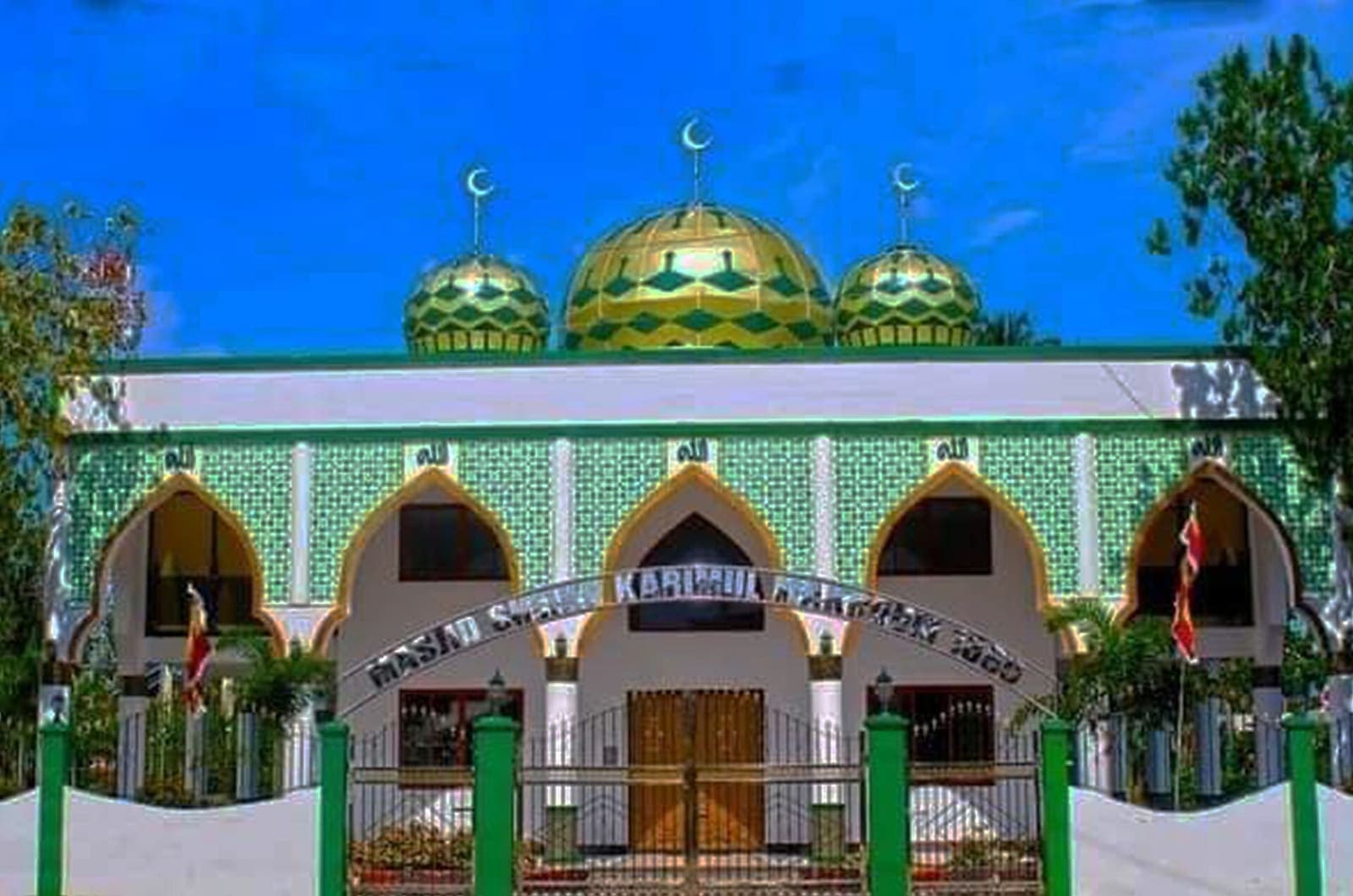
Grand Mosque and Sheik Karimul Makhdum Mosque

Cotabato City is known for the Sultan Haji Hassanal Bolkiah Mosque, while Simunul, Tawi-Tawi is home to the historic Sheik Karimul Makhdum Mosque, built in 1380.

Cotabato landmarks

City layer

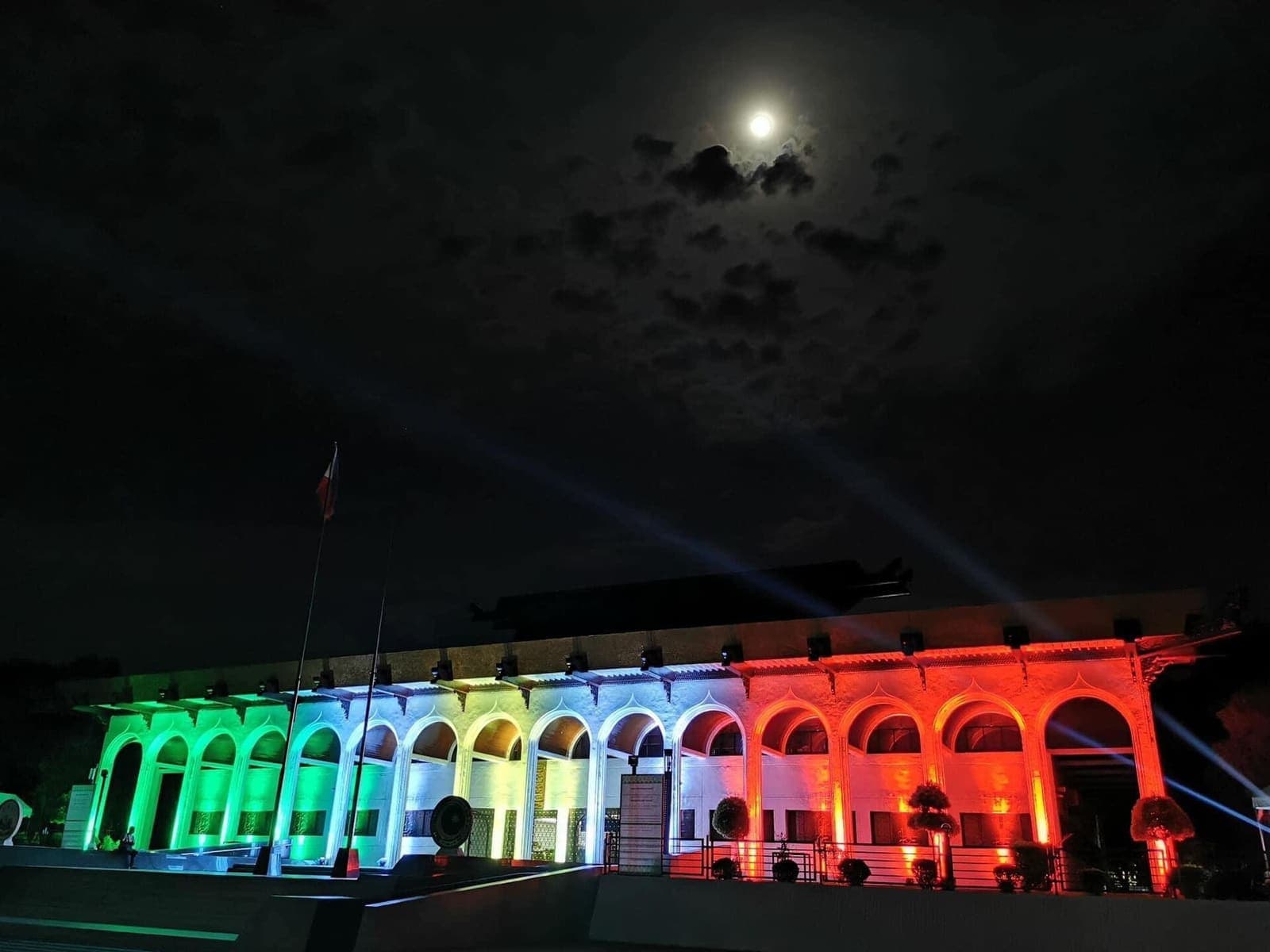
Grand Mosque, PC Hill, Tamontaka Church, People's Palace, Timaco Hill

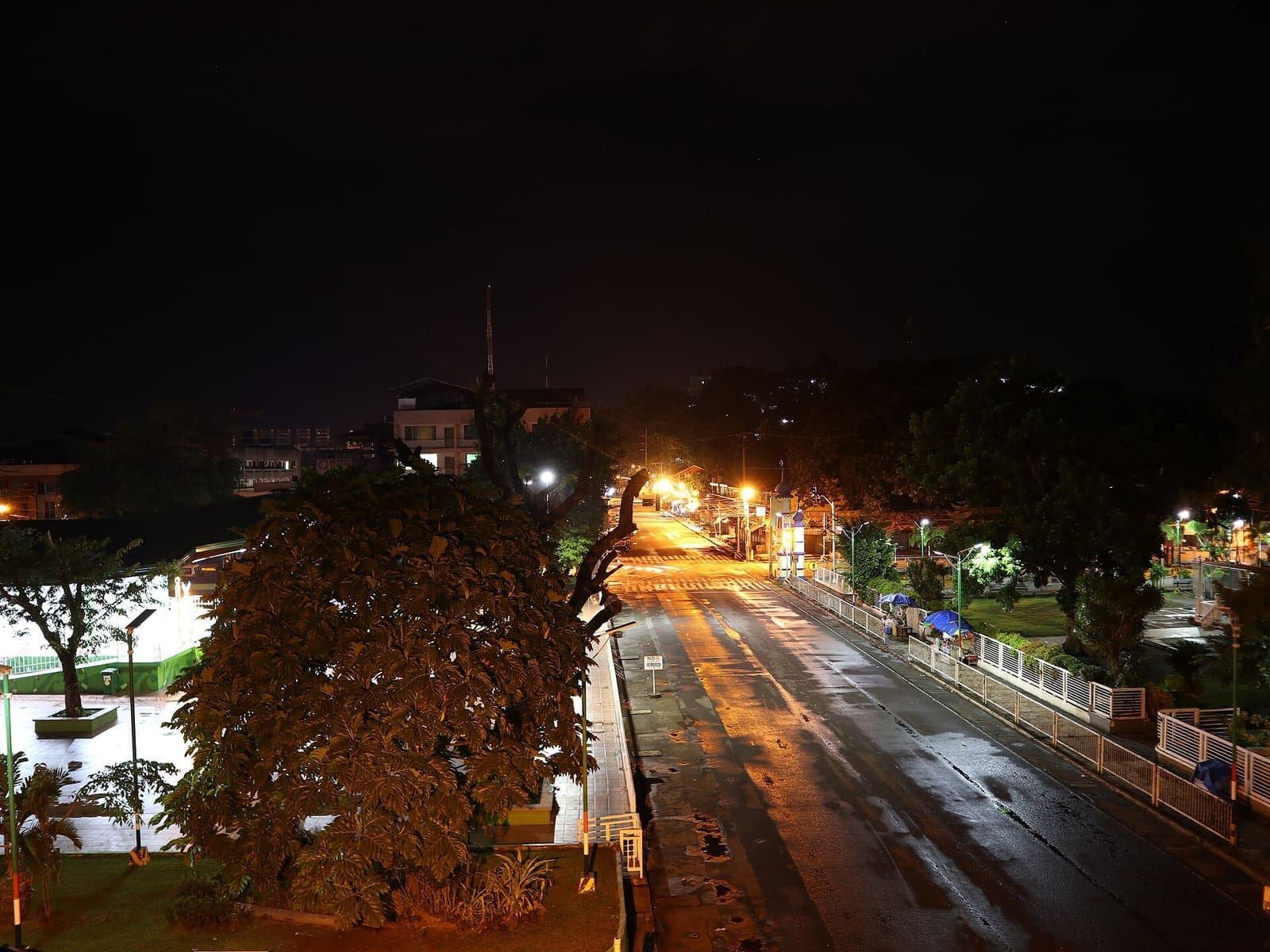
BARMM's Kutawato Go feature lists well-known Cotabato City landmarks, from the Grand Mosque to Tamontaka Church and Sultan Kudarat Shrine.

Island landscapes

Tawi-Tawi

Bud Bongao, Panampangan Island, Sangay Siapuh, and coastal resorts

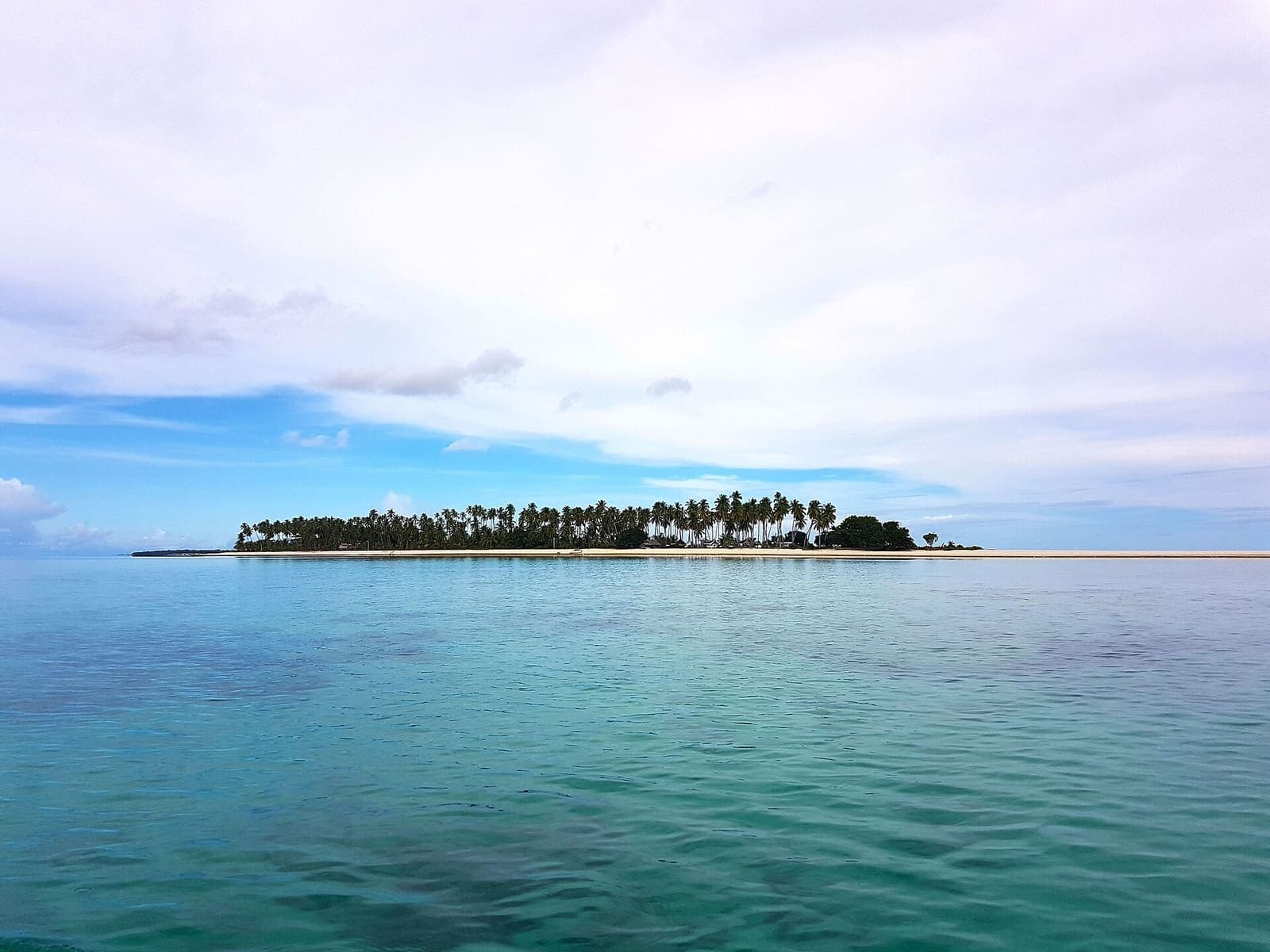
MTIT's Tawi-Tawi tourism inventory highlights Bud Bongao, Panampangan Island, Sangay Siapuh Island Resort, Bihing Tahik Resort, and other island destinations.

Food culture

Halal cuisine

Tiyula Itum, pastil, palapa, piaparan, kumukunsi, and more

BARMM showcases Bangsamoro food as heritage: Tausug Tiyula Itum, Maguindanaoan dishes, Maranao piaparan, pastil, palapa, tapay, daral, and other local favorites.

Arts and material culture

Living craft

Textiles, weaving, dress, craft, music, and community practice

BCPCH and MTIT both frame culture as living work: traditional arts, crafts, music, dance, festivals, food, and heritage practices remain part of daily public life.