52 crafts · 10 peoples
Living Crafts
of the Bangsamoro
What the region weaves, casts and carves: where each piece is made, who still makes it, and where a visitor can watch it made or buy it from the hands that made it.


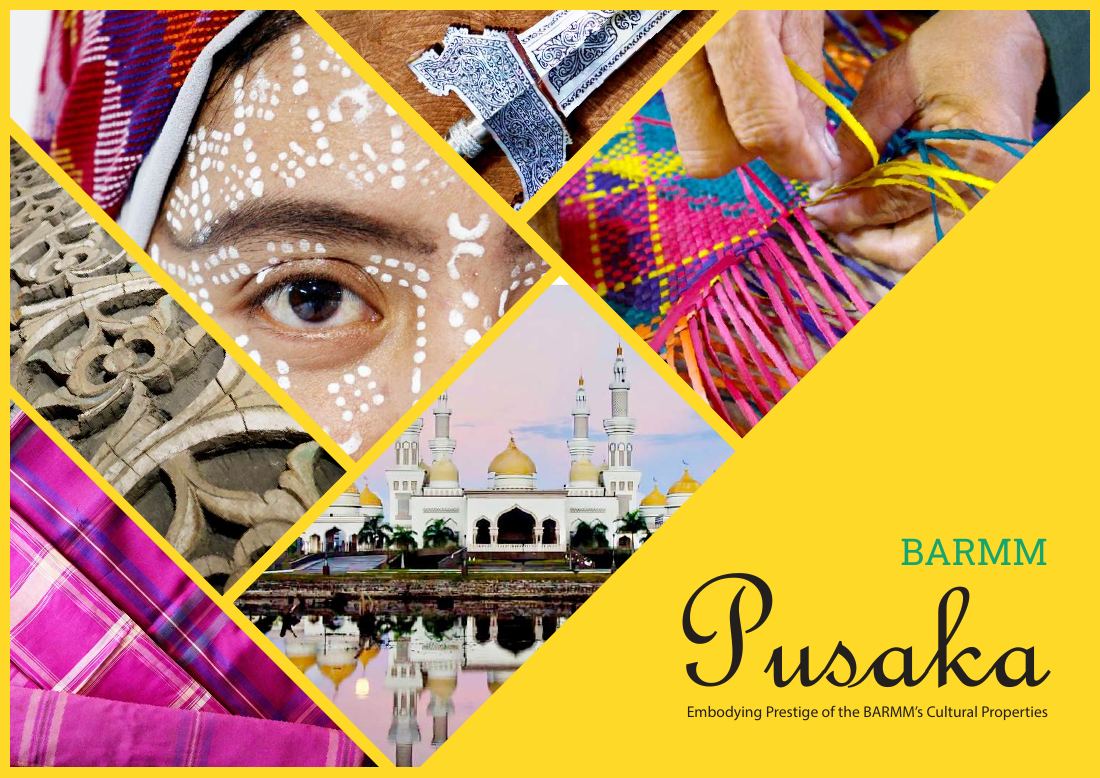
From the Bangsamoro Commission for the Preservation of Cultural Heritage
Pusaka
Embodying Prestige of the BARMM’s Cultural Properties
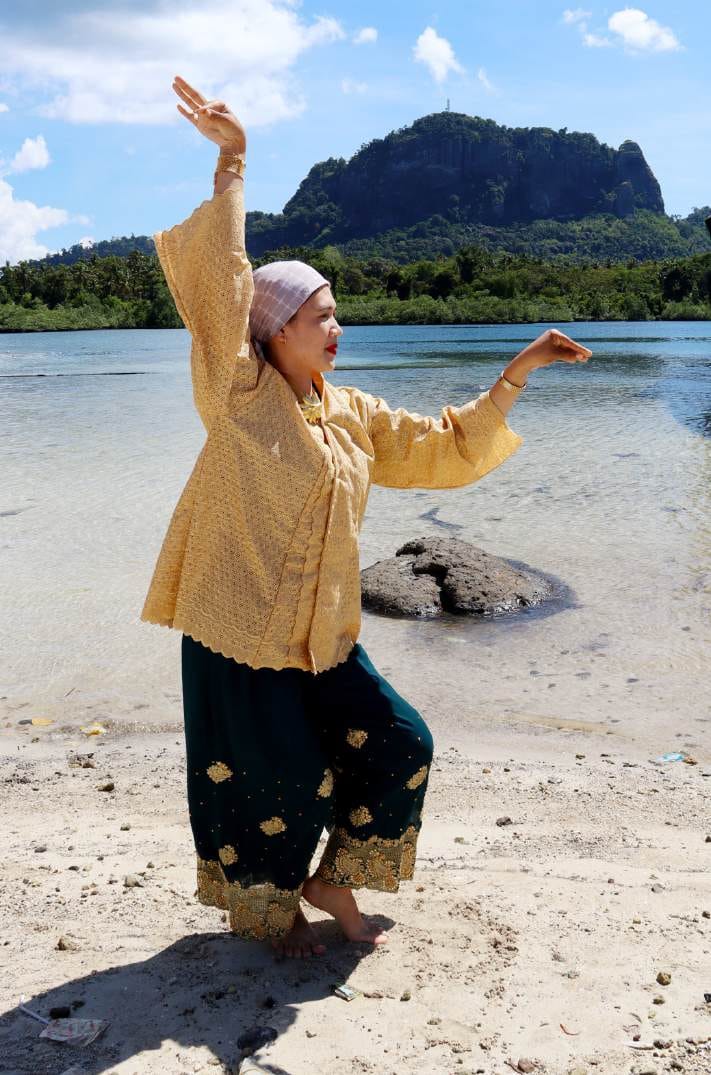
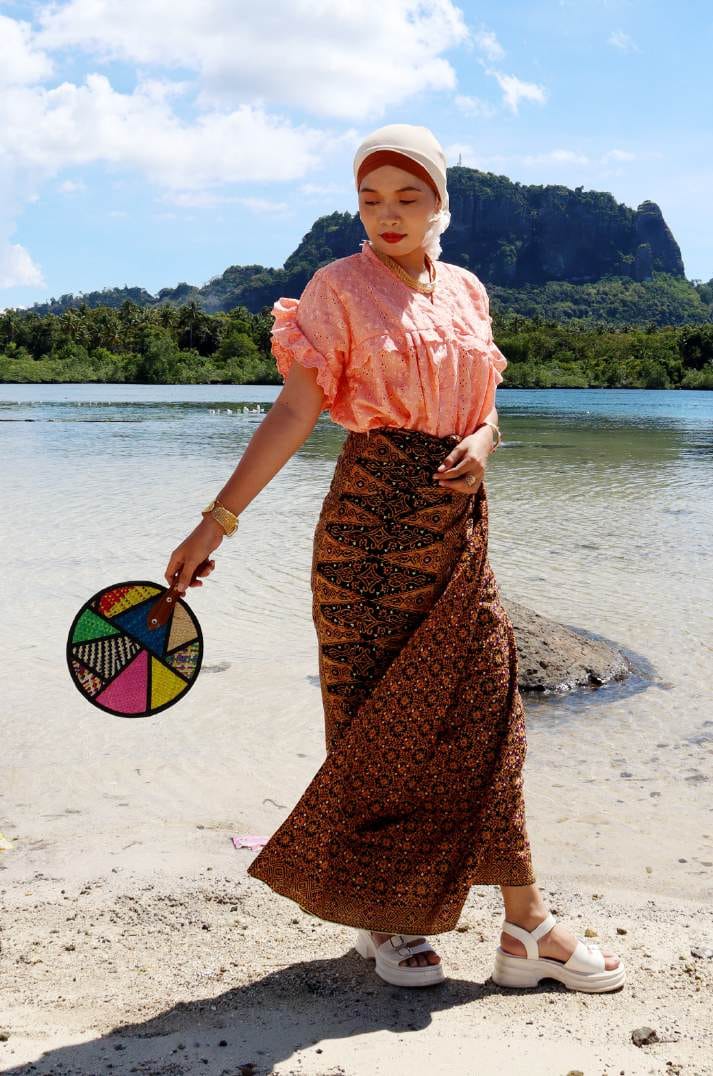
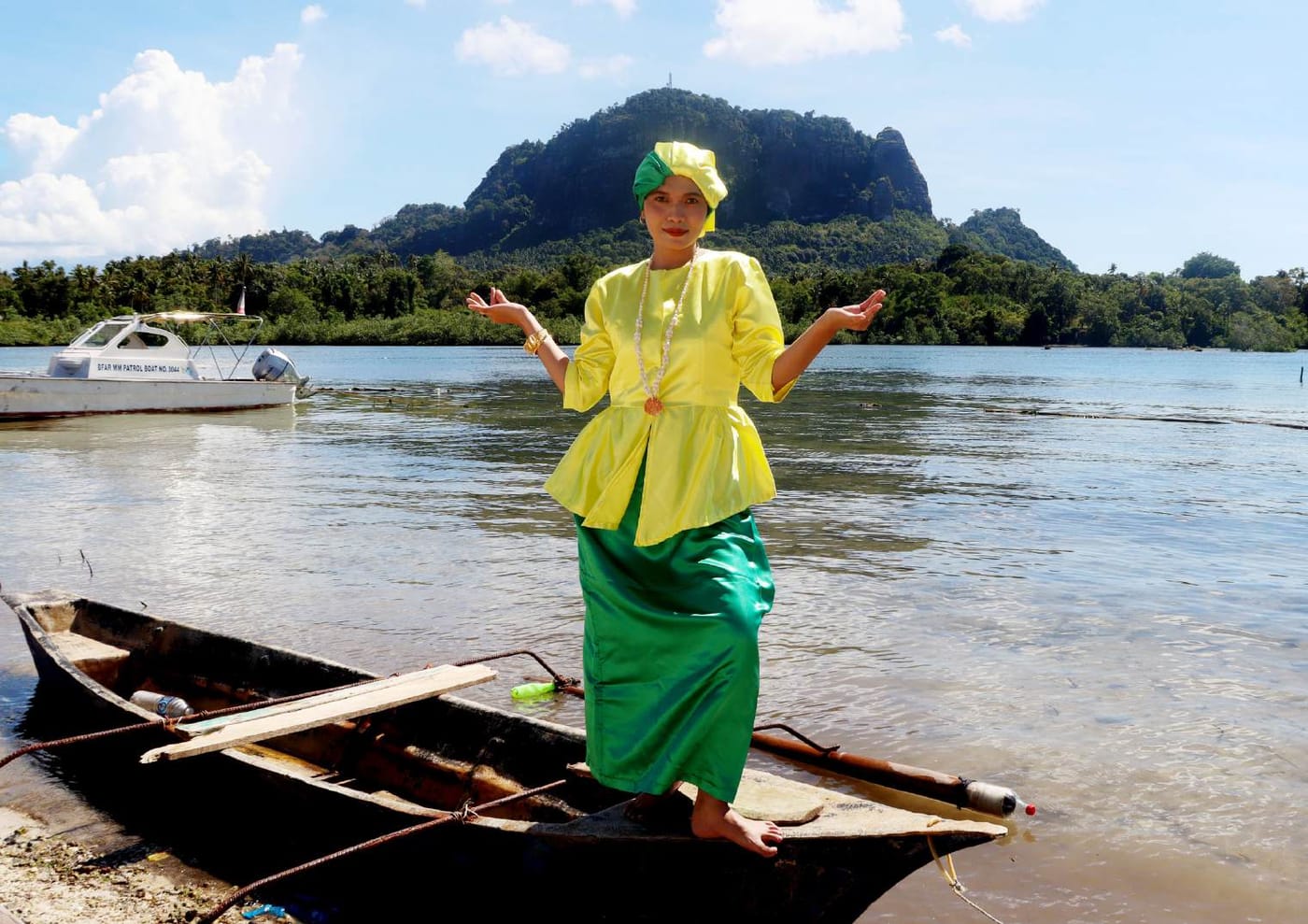
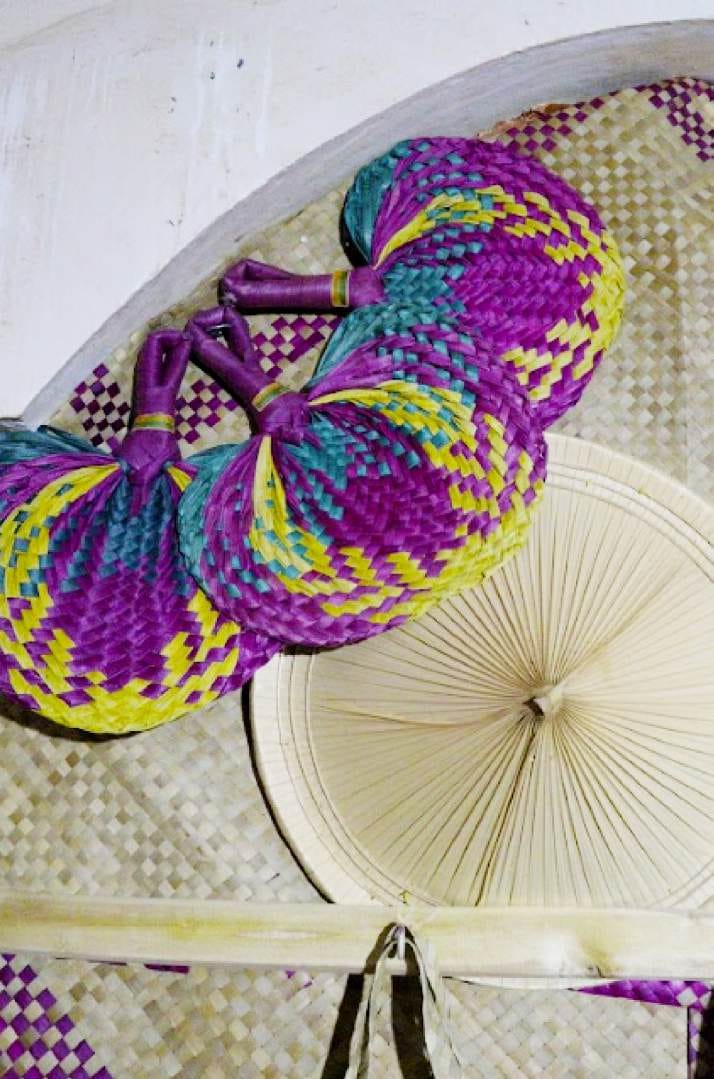
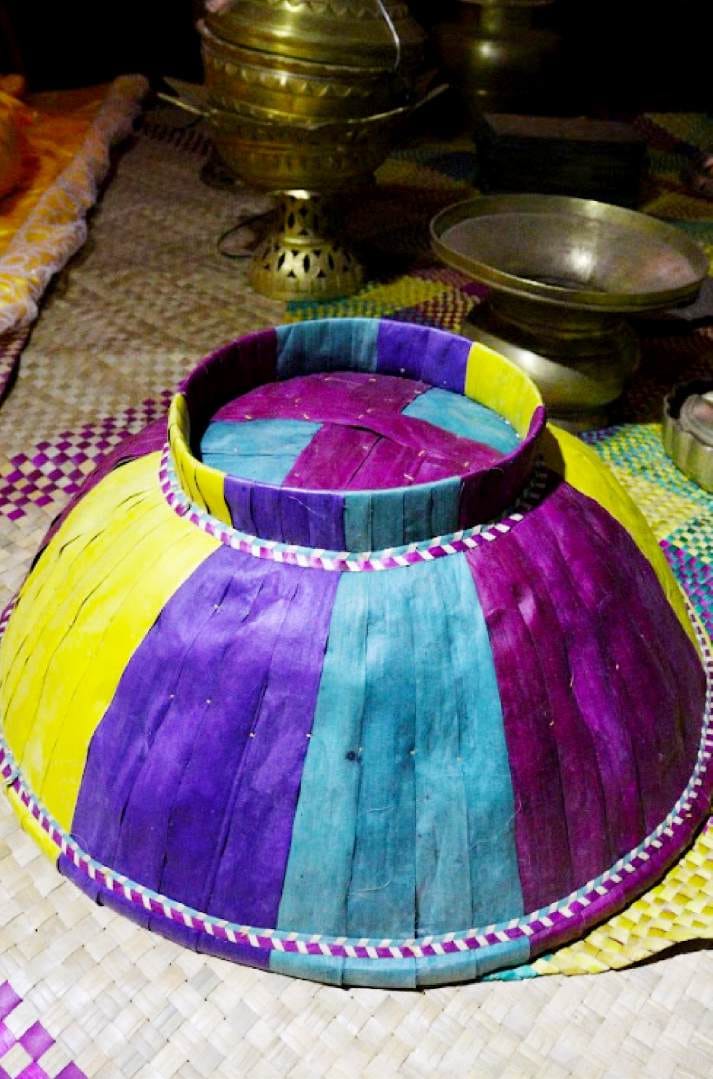
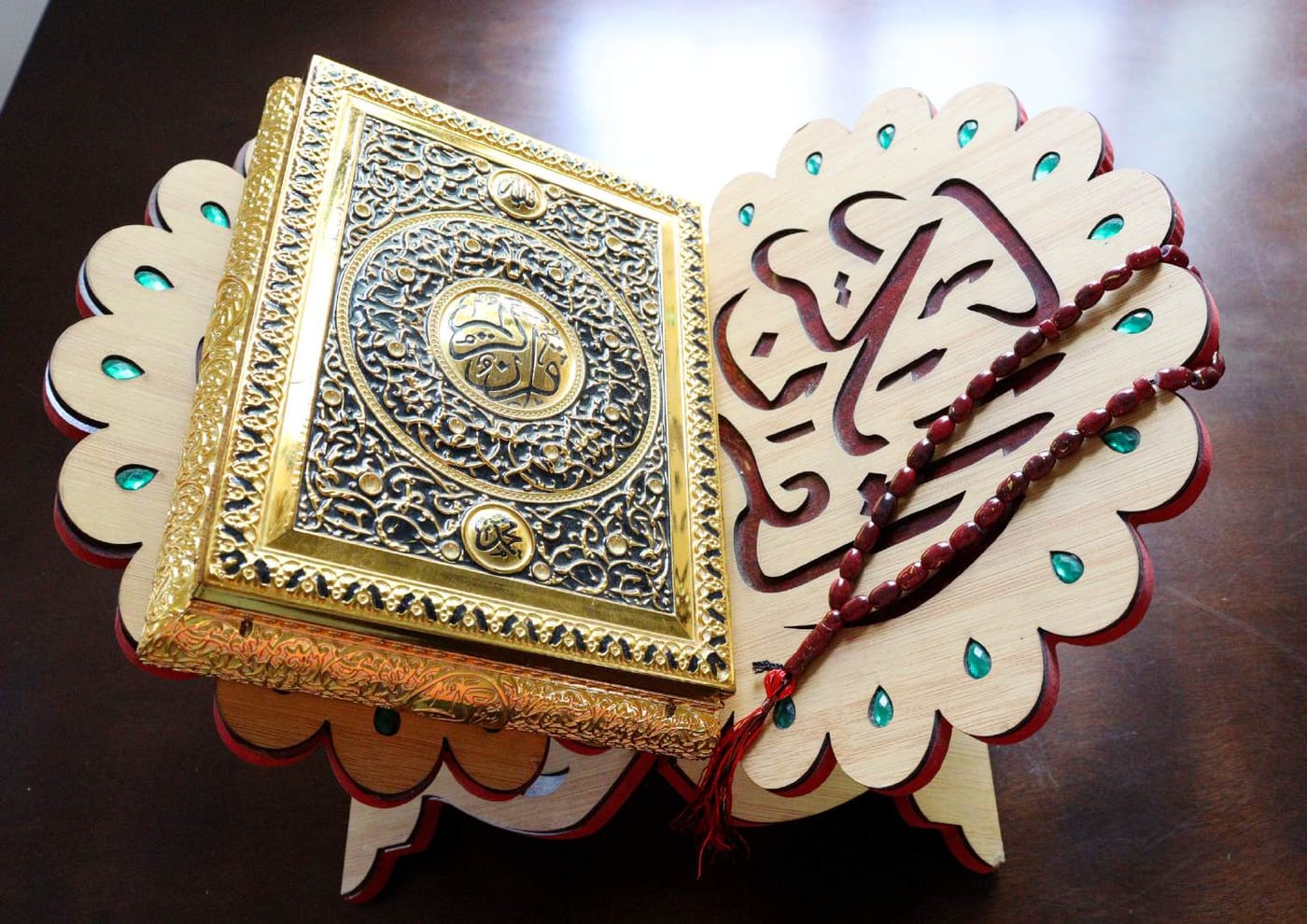
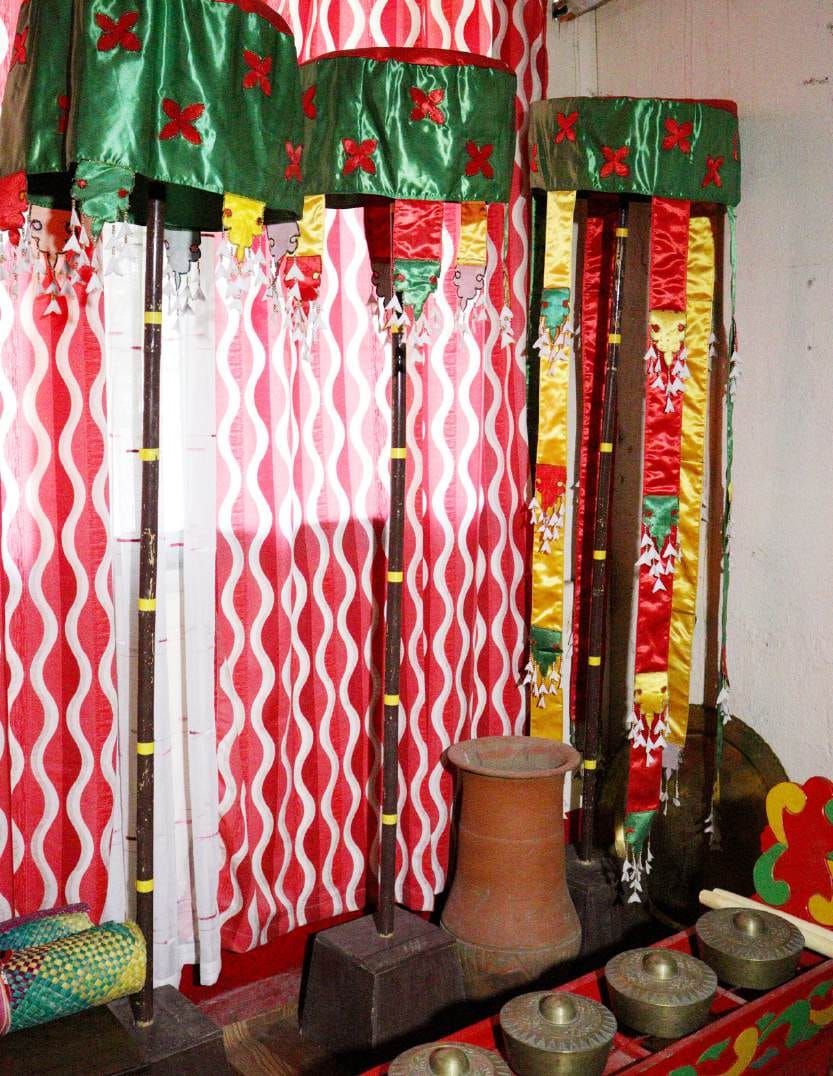
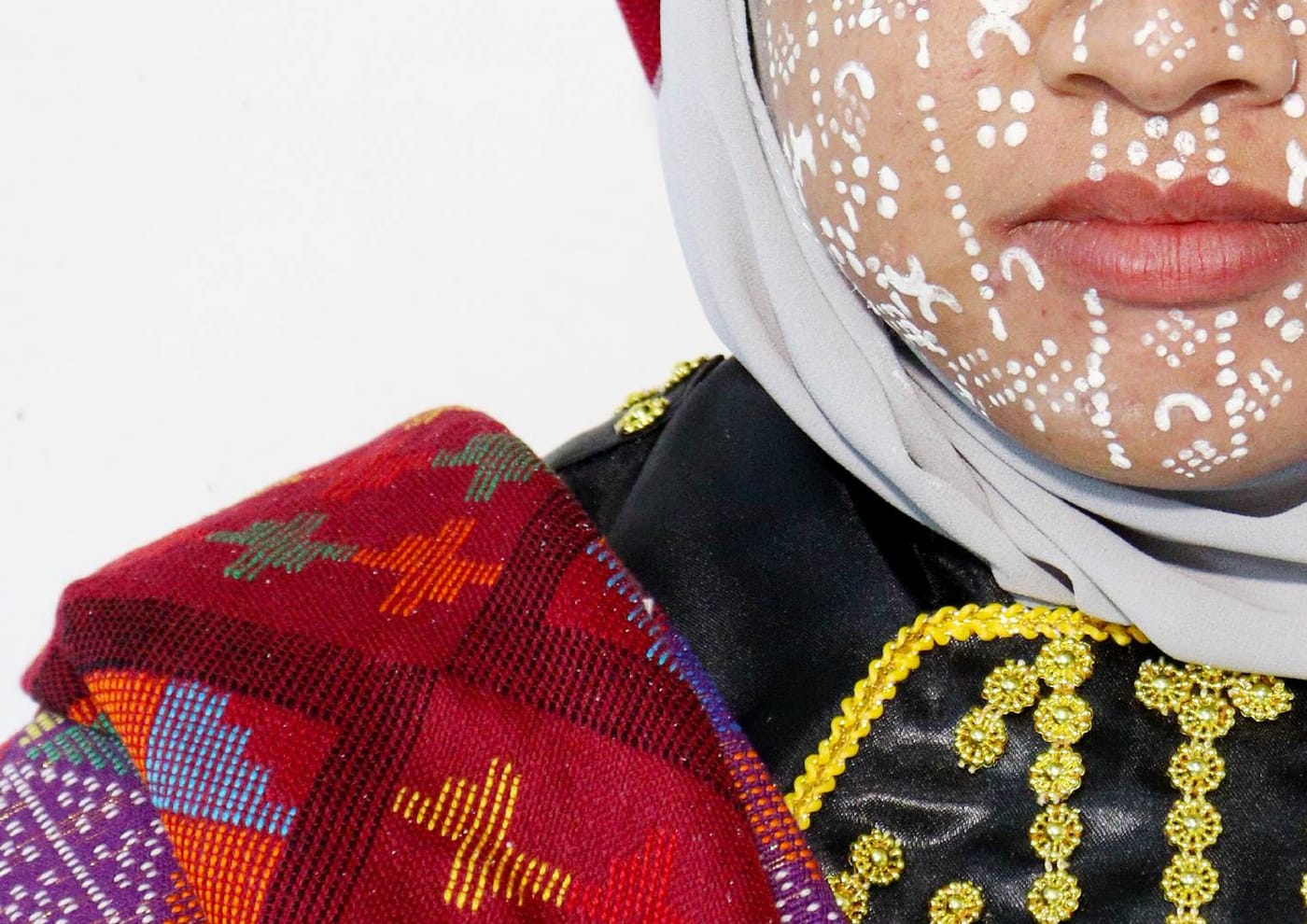
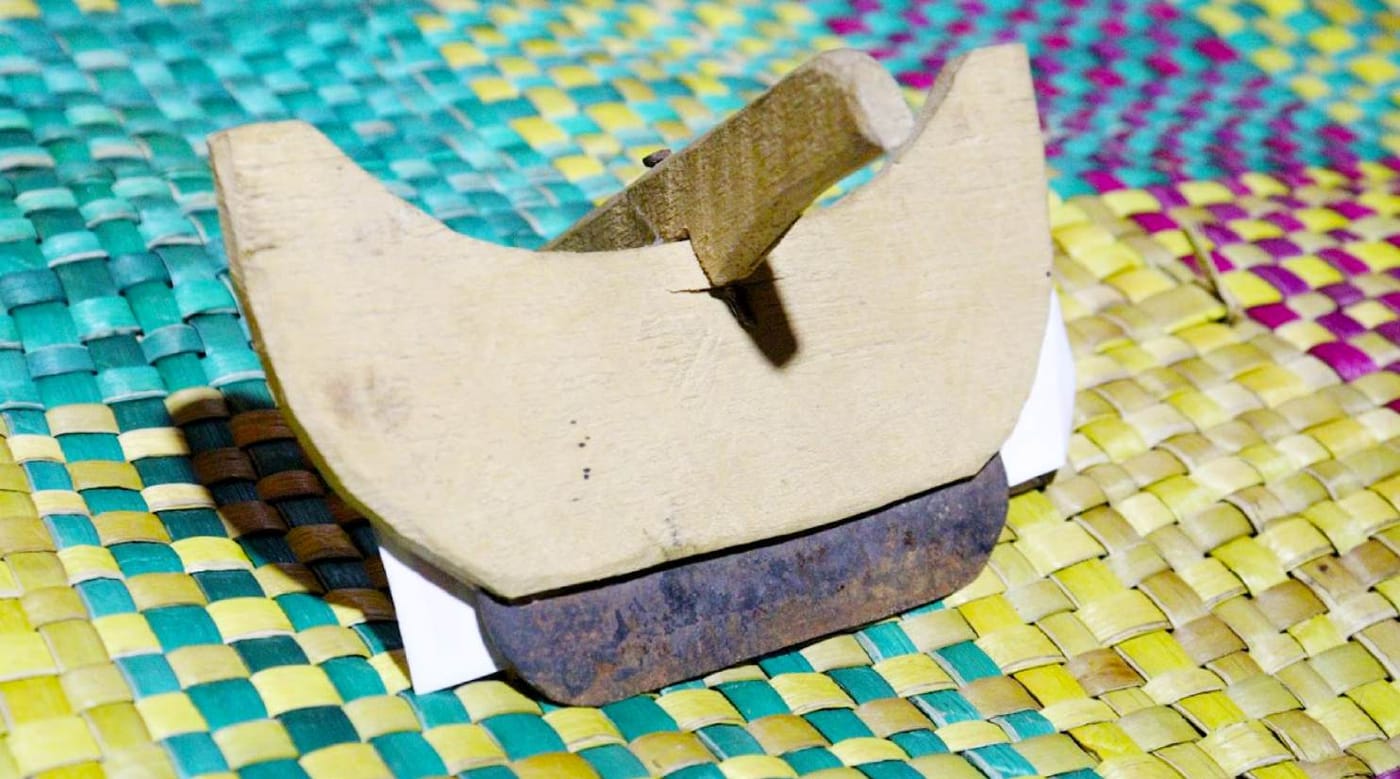
The commission’s own coffee-table book of the region’s heritage, province by province: 78 cultural items, from the inaul and the brassware of Maguindanao to the okir and torogan of Lanao, Yakan tennun, and the tepo mats and boats of Tawi-Tawi.
- cultural items
- 78 cultural items
- provinces
- 5 provinces
- pages
- 118 pages
Posted by the commission in February 2025, it still includes Sulu, which the Supreme Court ruled out of BARMM in 2024. For children, the commission also publishes Landung, a colouring book of the same heritage.
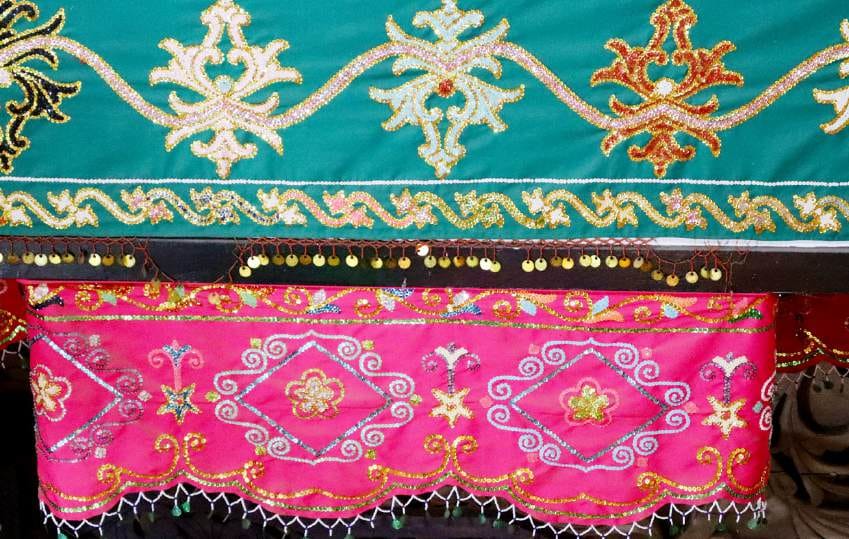
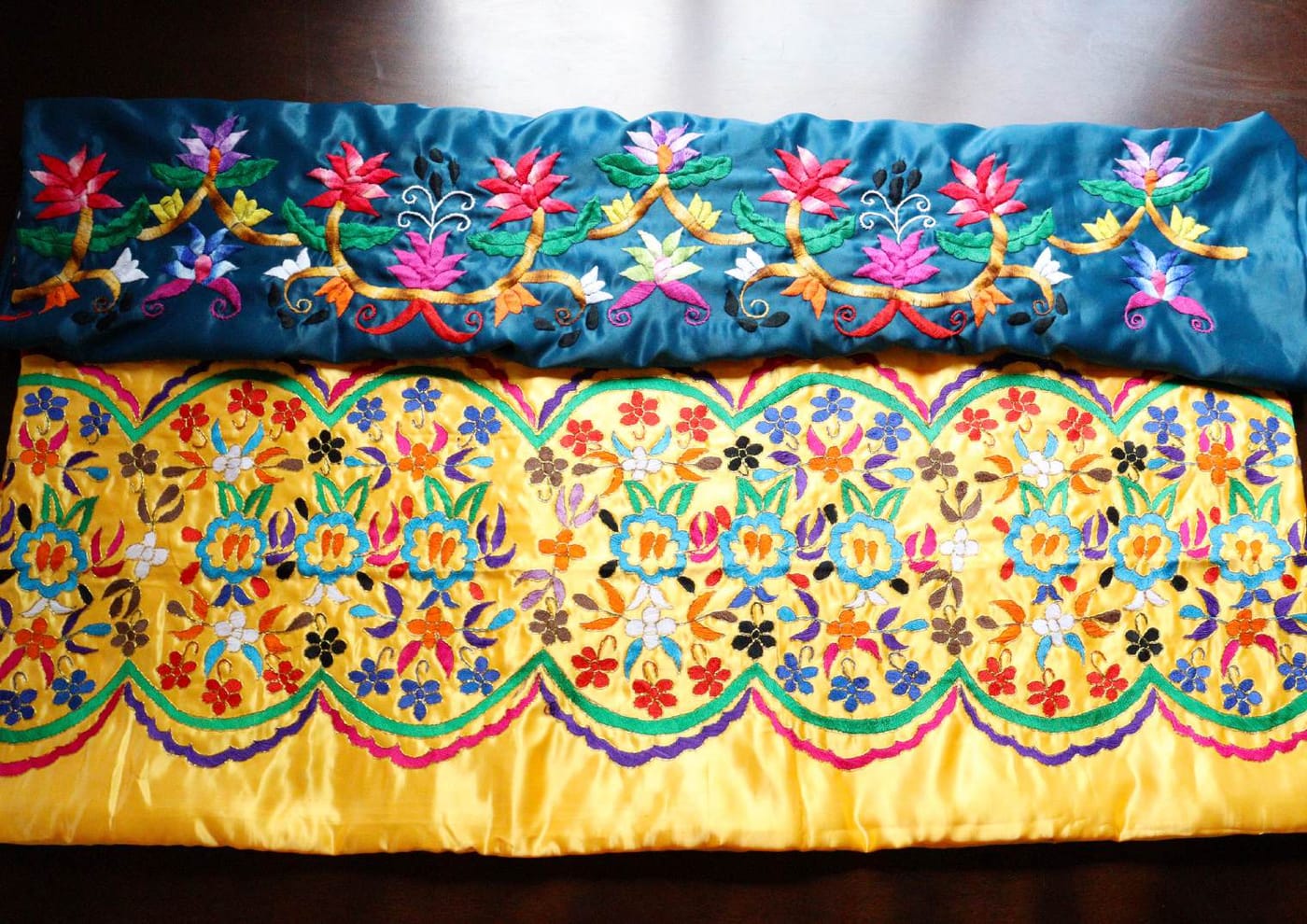
Textiles


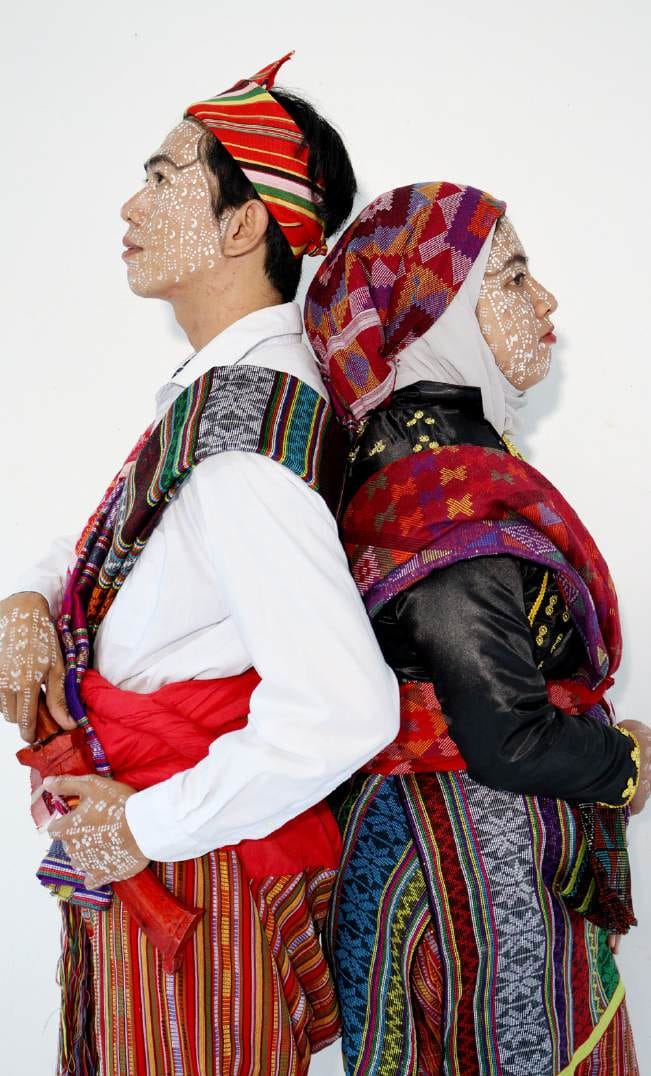
Dress

Mats

Basketry

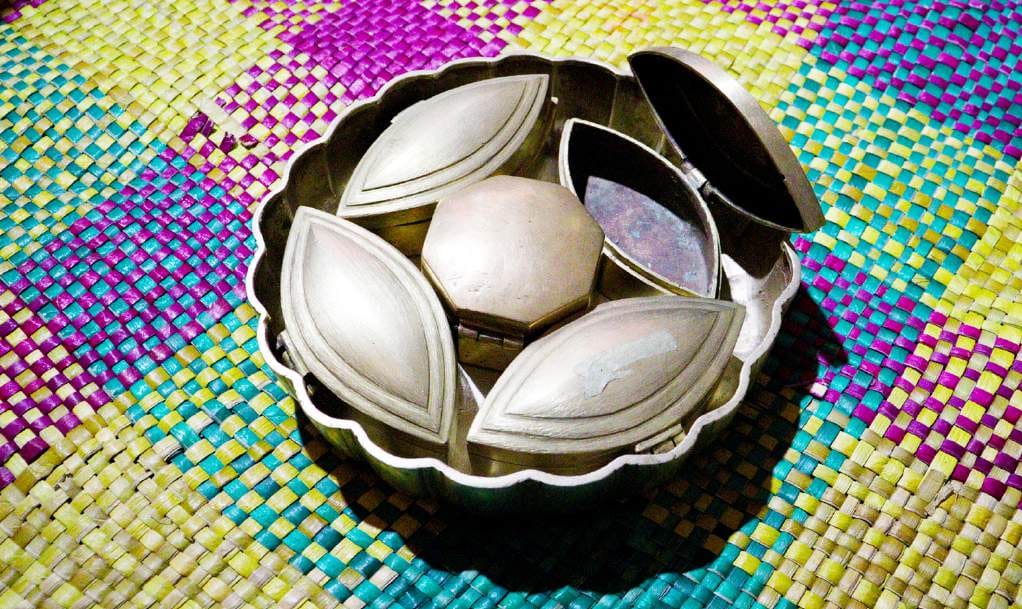
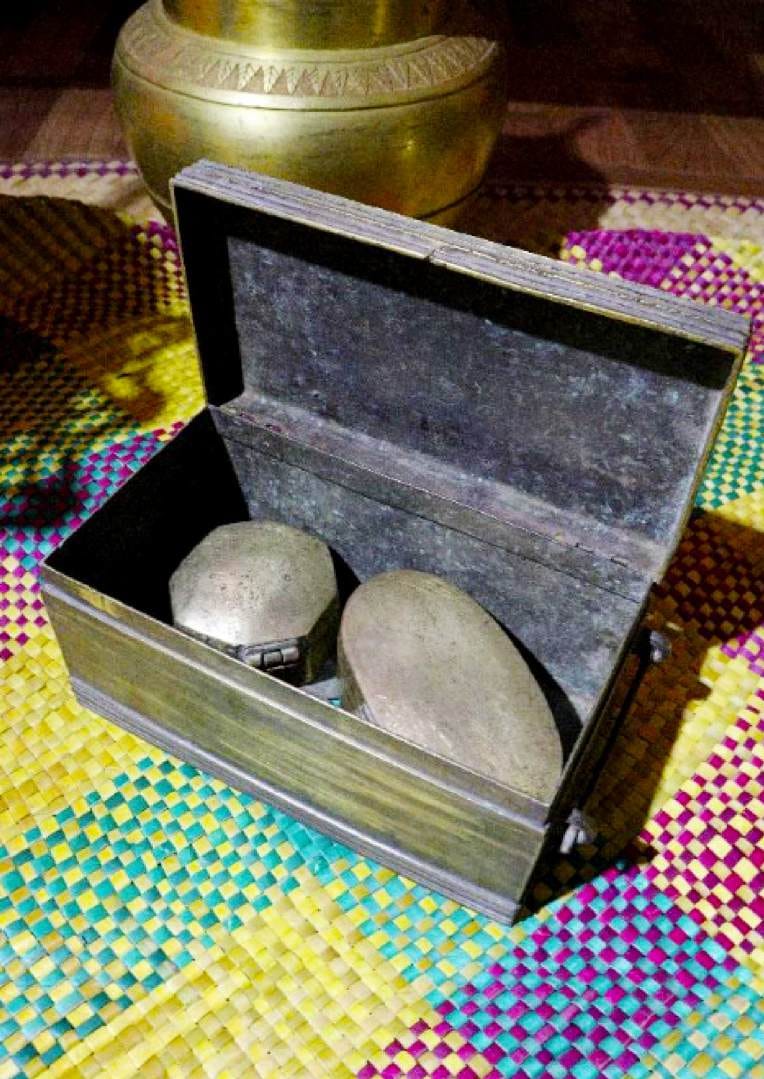
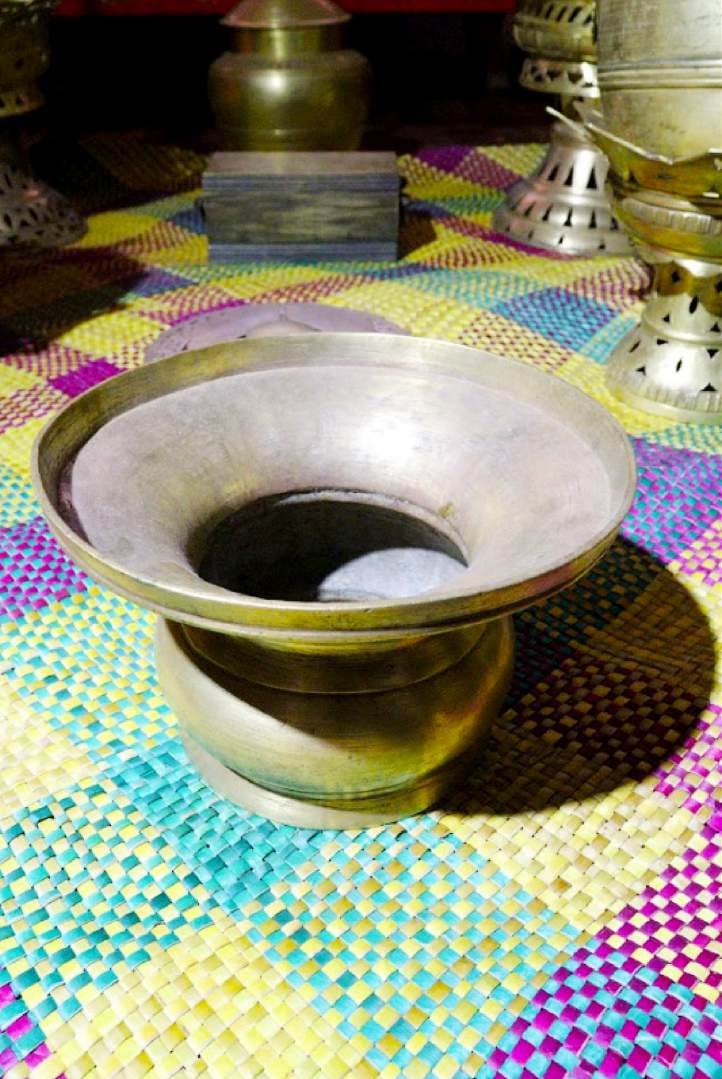
Brass


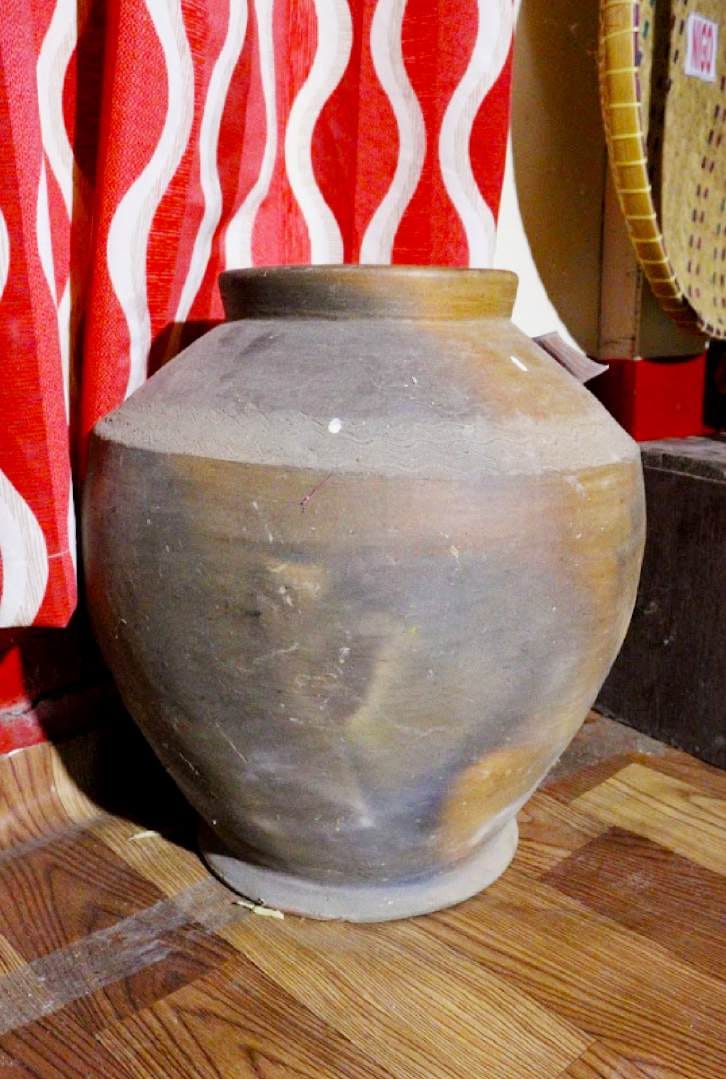
Pottery
Instruments


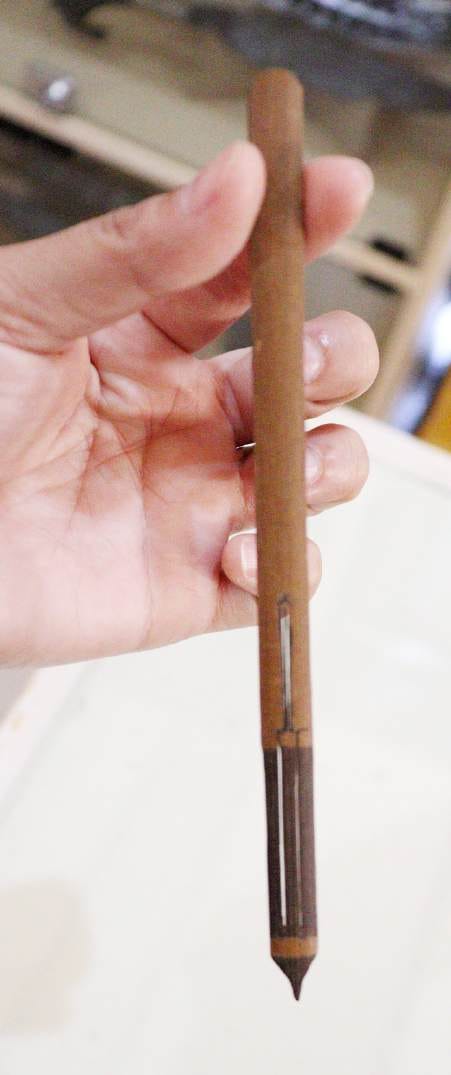

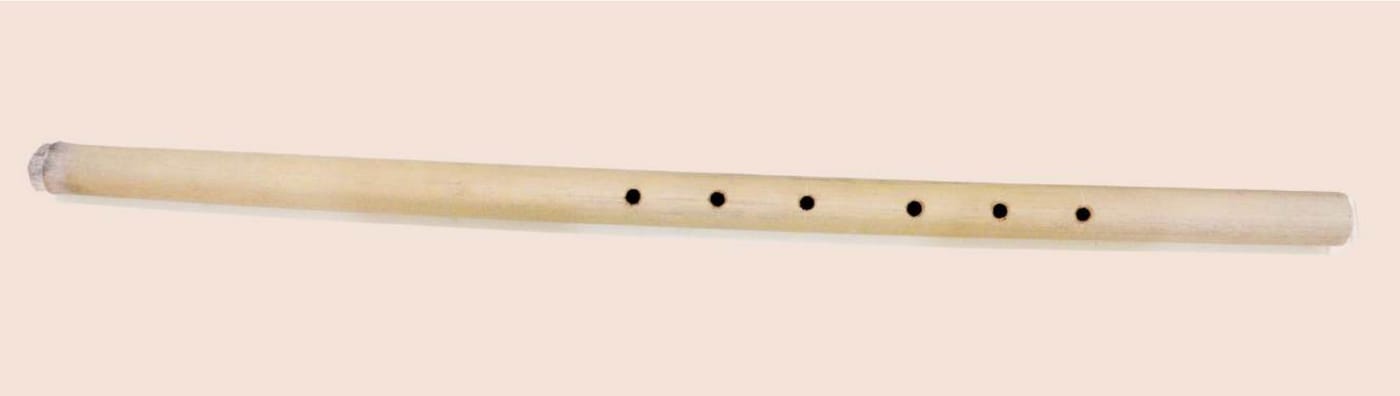
Carving


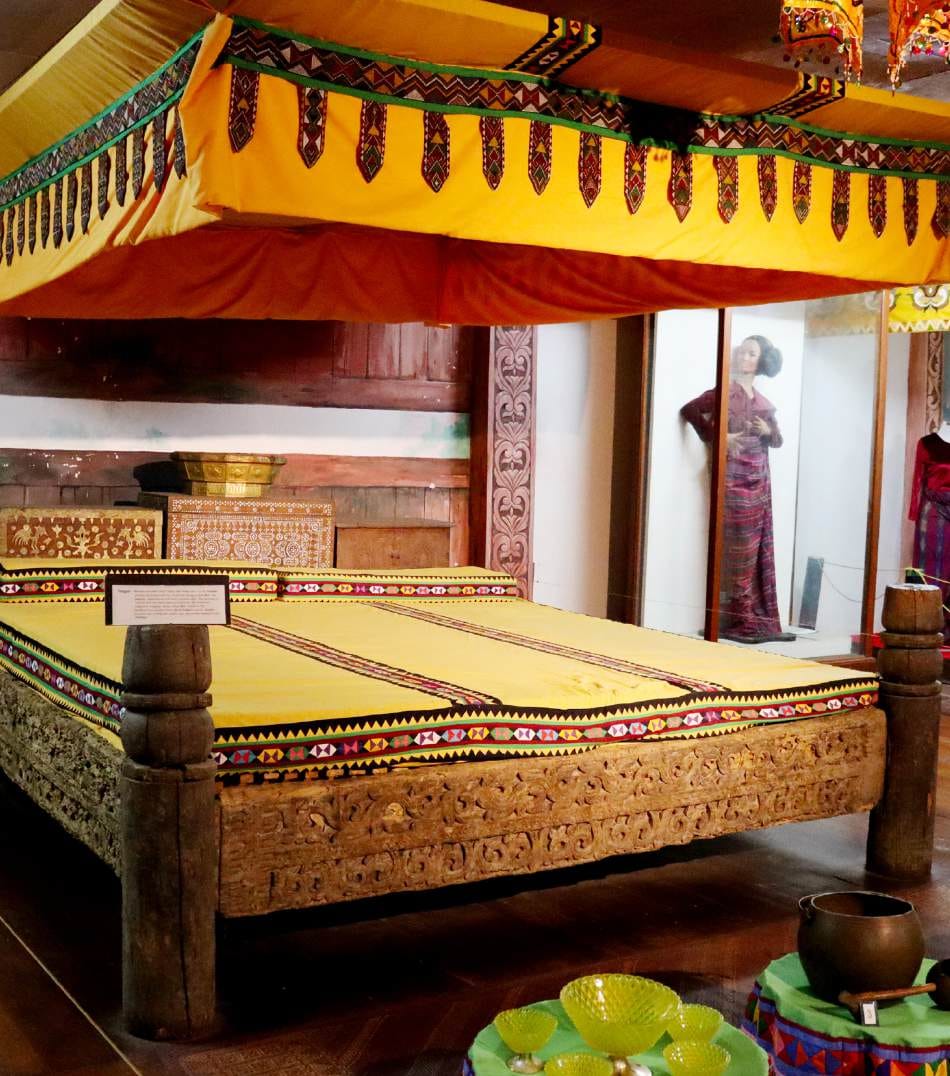
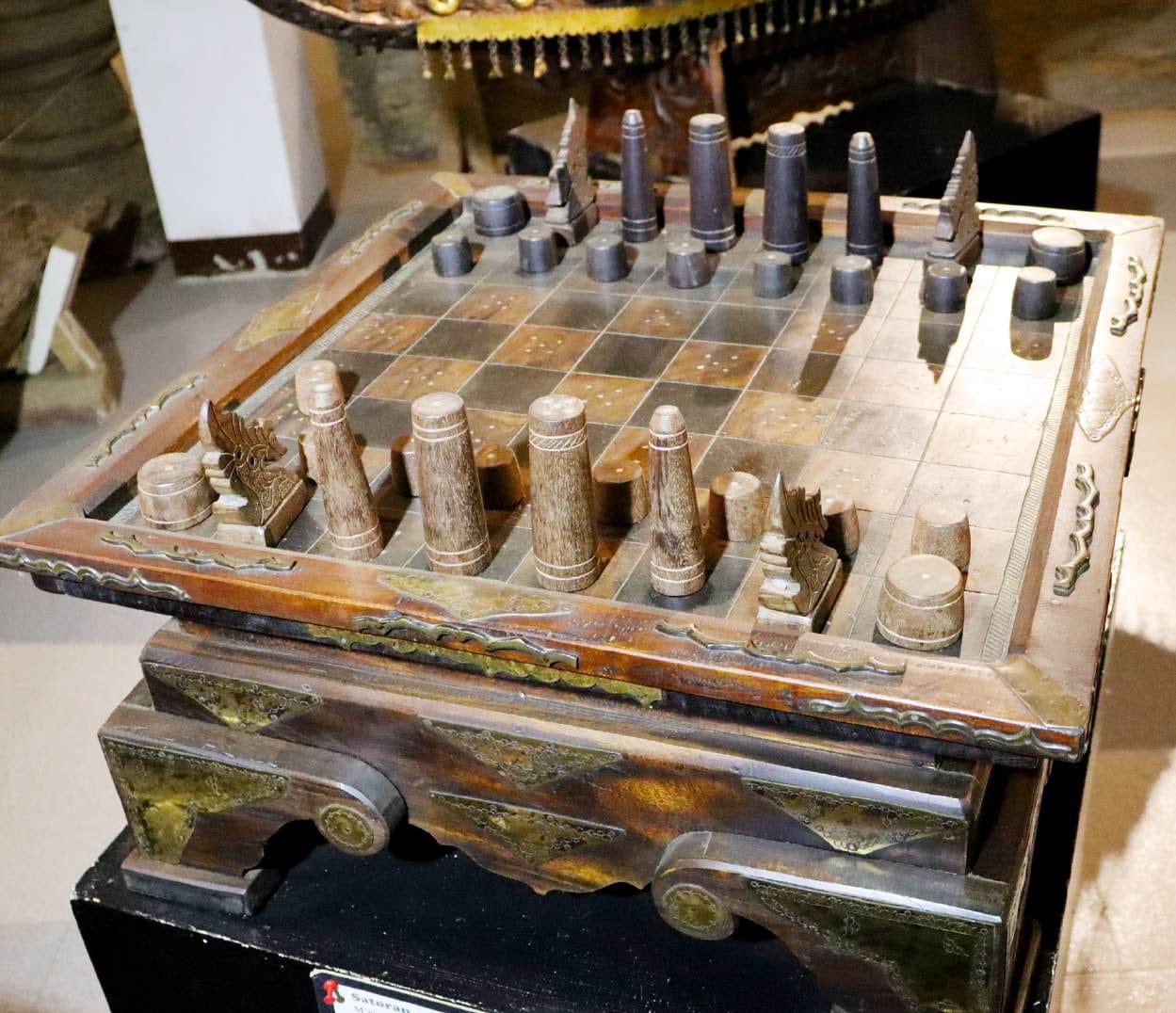
Ornaments
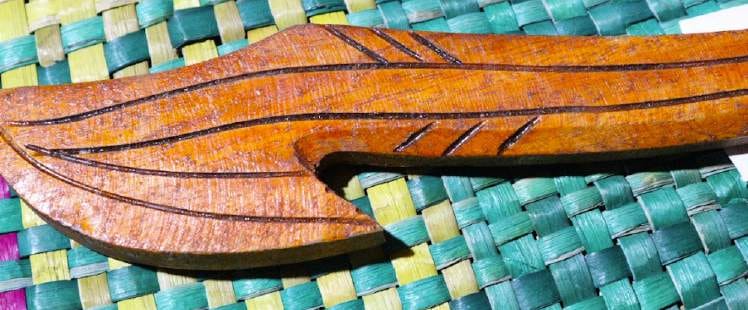
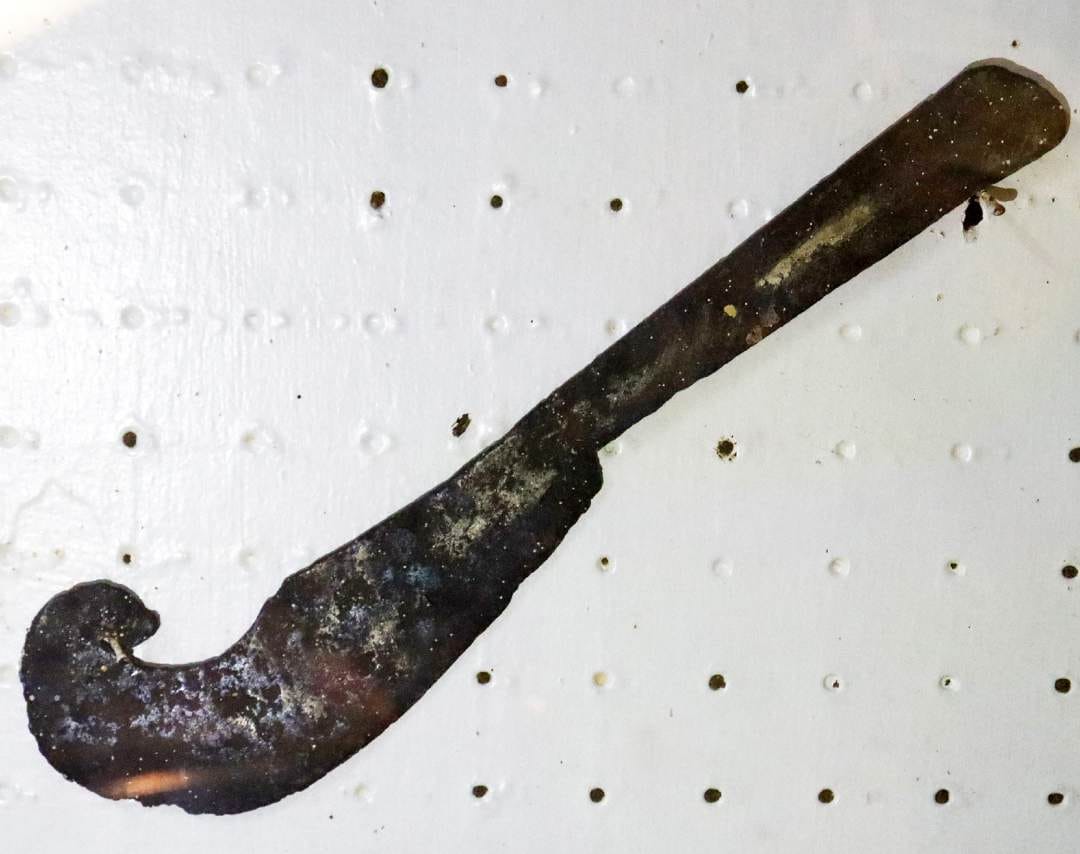
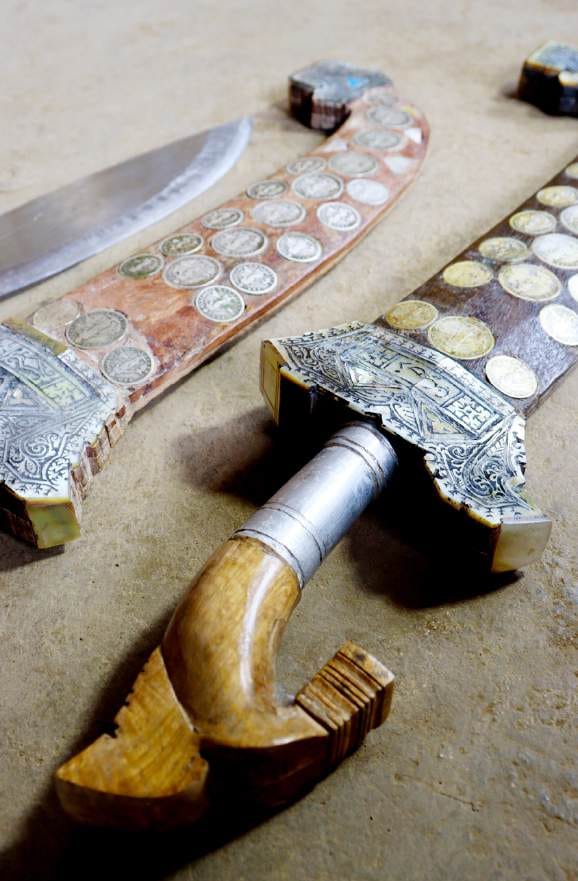
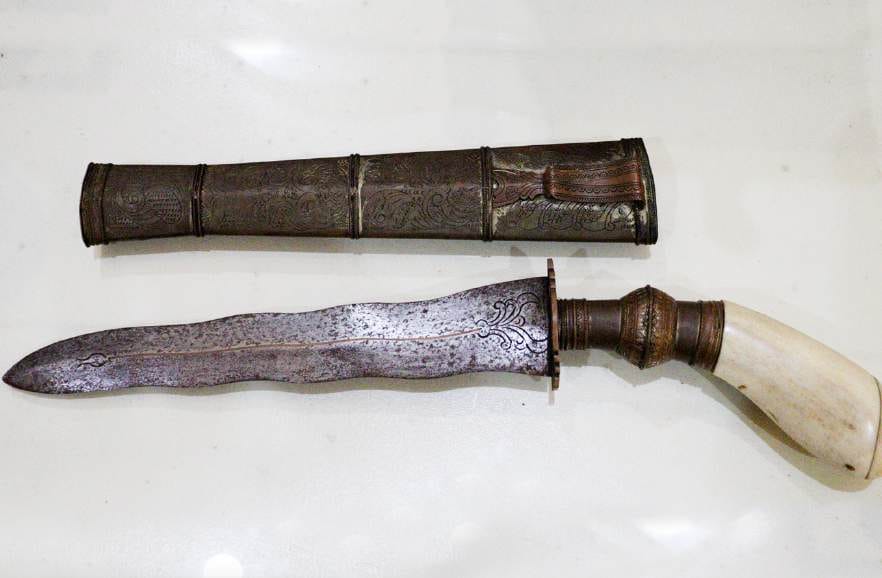
Blades




Boats

When to go
The festivals where these crafts are shown, worn and sold.
February
Inaul Festival
Buluan, Maguindanao del Sur
Started in 2017 to promote inaul; features the Kapaginaul weaving competition, inaul gowns, a search for the oldest inaul and a trade expo. Reporting found covers 2017–2019.
SourceJune
Lami-Lamihan Festival
Lamitan City, Basilan
Opens on June 26 at the Datu Kalun Shrine; a celebration of Yakan culture with a parade in hand-woven Yakan attire. 2025 was its 42nd year.
SourceDecember
Shariff Kabunsuan Festival
Cotabato City
Mid-December; highlight is the Guinakit fluvial parade on December 19 along the Rio Grande de Mindanao, with ornately adorned boats once used by royal families.
SourceAugust
Langkit Festival
Marawi City, Lanao del Sur
Week-long city charter celebration named after the langkit, with barangay booths, kulintang playing and a langkit competition.
SourceApril
Okir Art Exhibit
Cagayan de Oro (outside BARMM)
BARMM trade ministry exhibit of Maranao baul, tapestries, paintings and okir jewellery; held in April 2024.
SourceOctober
National Arts and Crafts Fair
SM Megamall, Mandaluyong City (outside BARMM)
National crafts fair where a pandan mat weaver from Mapun, Tawi-Tawi, wove at her booth in 2025.
Source
Every fact here is linked to the page it came from. Photos are from Wikimedia Commons under free licences, or from the commission’s book Pusaka, which its site places in the public domain; each is credited on the photo. Items cited to Pusaka come from the book, by page.
Get involved
Public records get betterwhen people check them.
Spotted an error, or have a document worth adding? Every correction and every source makes the record stronger — and the official source is always right where we are wrong.